2026 Best Marine Washing Machine for Boats?
Choosing the 2026 best Marine Washing Machine for boats requires more than comparing drum size or retail ratings. A washer that performs well in a home may struggle aboard a vessel. Limited freshwater, unstable power, narrow companionways, and constant vibration change the decision completely.
Nigel Calder, author of Boatowner’s Mechanical and Electrical Manual, describes the guiding principle clearly: “A boat is a system of systems.” That idea matters here. A Marine Washing Machine must match the boat’s electrical supply, water pressure, drainage design, and available space. A compact 12-volt or 24-volt model may suit a trawler with limited power. A larger 120-volt unit may work better on a yacht with a reliable inverter or generator. Installation details often matter more than advertised capacity.
Small spaces expose big weaknesses.
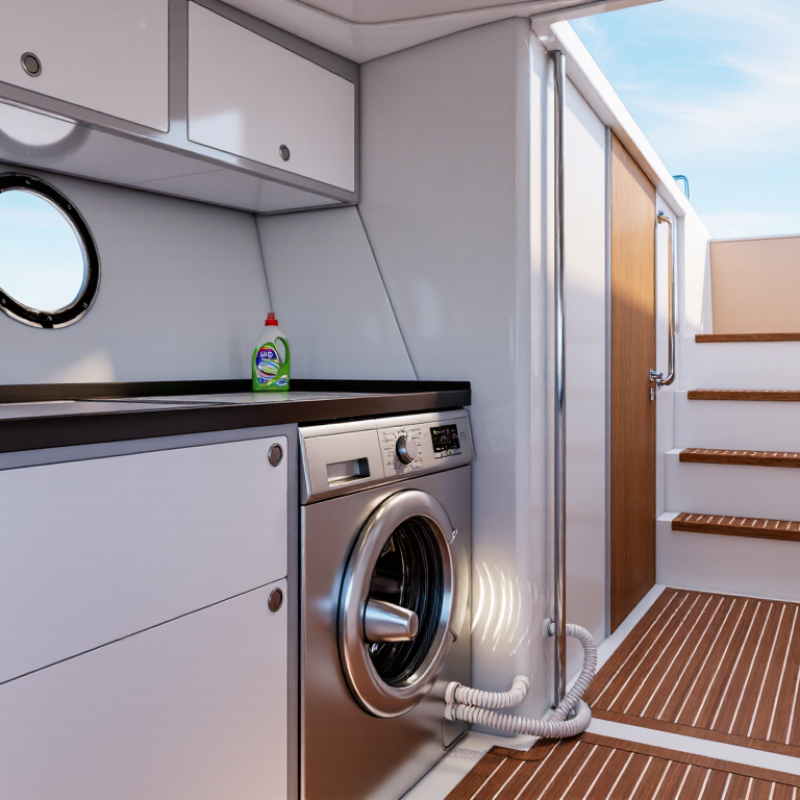
During practical evaluation, check the door clearance, hose length, drain height, and access to filters. Stainless or corrosion-resistant construction can help in salty air, but it does not eliminate maintenance. Excess detergent may create heavy foam and leave residue in a small drainage system. Uneven loading can also increase vibration, especially when the boat rolls at anchor.
This guide compares leading 2026 models through capacity, energy use, water consumption, noise, stability, serviceability, and real onboard practicality. The “best” choice is not universal. A household-style washer might seem efficient, yet it may become inconvenient after several weeks offshore. That limitation deserves attention, even if the machine receives excellent reviews.
What Makes a Marine Washing Machine Suitable for Boats
2026 Best Marine Washing Machine for Boats?
What Makes a Marine Washing Machine Suitable for Boats
A suitable marine washing machine must tolerate movement, limited water, and unstable electrical supply. A compact household unit may fit the cabin, yet still fail during heavy vibration. Look for corrosion-resistant fittings, secure locking feet, and a drum designed for low-load operation. Salt air is unforgiving.
The 2024 U.S. Recreational Boating Statistical Abstract from the National Marine Manufacturers Association reports about 11.6 million registered recreational boats in the United States. This figure covers many vessel sizes and layouts. Therefore, “marine suitable” cannot mean one universal machine. A weekend cruiser needs different capacity from a liveaboard vessel. Measure the installation space carefully. Leave room for ventilation and service access.
Water and power efficiency matter even more offshore. The U.S. Department of Energy reports that efficient clothes washers can use about 20% less energy and 30% less water than standard models. However, those figures come from residential testing. They should not be treated as guaranteed marine performance. Check the machine’s actual water draw, starting wattage, and cycle length. A short cycle may protect battery reserves.
Drainage also deserves attention. Wastewater must enter an approved onboard system, not flow carelessly overboard. Confirm local requirements before installation. In my experience, vibration causes more trouble than washing quality. A machine that walks across the floor is not suitable. I would test it with towels, inspect hose connections, and listen for movement. Small details matter.
2026 Best Marine Washing Machine for Boats?
What Makes a Marine Washing Machine Suitable for Boats
A boat-suitable washing machine should prioritize compact dimensions, low freshwater consumption, modest electrical demand, manageable weight, and resistance to vibration and corrosion. The normalized scores below represent practical selection priorities for marine installations, not brand or company performance data.
Key Features to Compare in Marine Washing Machines
2026 Best Marine Washing Machine for Boats?
Key Features to Compare in Marine Washing Machines
Choosing a marine washing machine starts with water, power, and space. Onboard limits expose weak specifications quickly. ENERGY STAR reports that certified clothes washers use about 20% less energy and 30% less water than conventional models. That difference matters when a boat carries a limited freshwater supply. Compare water use per cycle, not only drum capacity. A compact 5–7 kg drum often suits two-person cruising better than a larger household unit. It also reduces imbalance during rough movement.
Look for corrosion-resistant materials, sealed controls, and strong vibration management. Stainless-steel drums resist salt-air damage, but external fasteners and hinges still need inspection. A 2024 report from the National Marine Manufacturers Association recorded continued demand for recreational boating, while onboard comfort remains a practical buying factor. Marine installation also requires careful attention to ventilation, drainage height, and electrical load. Do not assume a household washer is suitable. I have seen “marine-ready” claims hide ordinary cabinet hardware. That deserves skepticism.
Tips: Measure the locker twice. Check the machine’s running watts against your inverter. Prefer a drain pump with accessible filters. A quick rinse cycle can save freshwater, but only if the drum dries fully afterward. Review the manual’s salt-air guidance. Some models perform well in calm marinas yet struggle during extended passages. That is not a failure of marketing alone; real conditions vary.
How to Install and Use a Marine Washing Machine Safely
2026 Best Marine Washing Machine for Boats?
Choosing the best marine washing machine starts with safe installation, not appearance. A compact, low-vibration model suits most boats. Before installation, measure the cabinet, doorway, and service space carefully. Leave room for hoses and ventilation. The machine must sit level on a strong, dry surface. A loose appliance can move dangerously in rough water.
Disconnect shore power before touching the wiring. Use a dedicated circuit with suitable overload protection and residual-current protection. A qualified marine electrician should inspect the connection. Connect the freshwater inlet with marine-grade fittings, then secure the drain hose above the approved discharge point. Never release wastewater where local rules prohibit it. Test every connection slowly. Look for drips.
Small leaks become large problems.
Run an empty rinse cycle while checking vibration, heat, and drainage. Keep the door slightly open after use to reduce moisture and odor. Do not overload the drum, even when laundry appears manageable. Heavy towels can unbalance the machine and strain its mounts. Use detergent made for low-water systems, and store it in a sealed container. During bad weather, secure the door and avoid operating the machine if the boat is pitching heavily.
I once ignored a slight vibration and found a loosened mounting bolt later. That mistake changed my inspection routine. I now check the feet, hoses, filter, and electrical panel regularly.
Maintenance Tips for Reliable Onboard Laundry Performance
2026 Best Marine Washing Machine for Boats?
Reliable onboard laundry depends more on maintenance than advertised capacity. A compact marine washing machine should handle vibration, limited water, and changing electrical loads. Before each trip, inspect the inlet hose, drain line, and door seal. Salt air can stiffen rubber quickly. Wipe the seal after every wash. Small habits prevent larger failures.
Tips: Run a fresh-water rinse weekly. Leave the door slightly open afterward. Check the lint filter often, especially after washing towels. Use only the detergent amount recommended for the machine. Excess soap creates residue and increases pump strain. Secure the washer during rough weather. A loose appliance can damage its mounts and nearby plumbing.
I have found that balanced loads matter more than maximum load size. Place heavier clothing beneath lighter items. Stop the cycle if the machine begins walking across the floor. That movement may signal uneven leveling or worn supports. Inspect the mounting points monthly, even when everything appears quiet. I once ignored a small vibration, and a loose drain connection later soaked the cabinet. The mistake was avoidable. Fresh water, dry ventilation, and patient inspections keep laundry equipment dependable at sea.