Blog

7 Best Water Cooler Machines for Home and Office

Water access should feel simple, but the right machine can make daily routines easier. A Water Cooler Machine may suit a busy kitchen, shared office, or small break room. Yet the best choice depends on more than a sleek finish. Consider how many people will use it, where it will sit, and how often you want to refill or maintain it.

This guide to the 7 best water cooler machines for home and office compares practical details that matter. We look at bottle-fed and bottleless designs, hot and cold settings, countertop and freestanding sizes, and features such as child-safety locks. A removable drip tray can help contain small spills. Filter replacement and cleaning instructions deserve attention, too. They are easy to overlook.

Not every feature earns its place. A large unit may feel excessive in a quiet home, while a compact model could struggle in a busy workplace. Noise, refill access, and installation requirements can shape the experience more than product photos suggest. Small details matter.

The selections are intended to help readers compare options, not promise one perfect fit. Product specifications and availability may change, so check current details before buying. Routine upkeep also deserves an honest look; convenience is less convincing when cleaning becomes a chore. Use this overview to narrow the field and match a cooler to your space, budget, and everyday drinking habits.
7 Best Water Cooler Machines for Home and Office

What Is a Water Cooler Machine?

What Is a Water Cooler Machine?

A water cooler machine stores or receives drinking water and dispenses it at a chosen temperature. Many models provide cold and room-temperature water; some also heat water for tea or instant meals. Some use replaceable bottles mounted above or below the cabinet, while others connect directly to a water line. Inside, a cooling system lowers the water temperature, and controls manage dispensing. Simple idea.

Bottle-fed units can work well where plumbing is unavailable, though someone must replace heavy containers and store spare bottles cleanly. Point-of-use units connect to a supply line and may include filters, but filter types and replacement schedules vary. A filter does not automatically make every water source safe; check the unit’s specifications and follow its maintenance instructions.

This distinction is easy to miss.

Cleanliness also depends on regular cleaning and watching for leaks or unusual tastes.

Tips: Measure the space, including room for bottle changes and airflow. Clean touch points and the drip tray regularly. Replace fitted filters on schedule. If water tastes odd, pause use and check the supply, filter, and cleaning routine before blaming the machine.
Main Types of Water Cooler Machines

Water cooler machines generally fall into three types: top-loading, bottom-loading, and point-of-use models. A top-loading unit holds a large bottle upside down on its dispenser. You can see when the water is running low, but lifting a heavy bottle onto the cooler can be awkward. It may also drip during replacement. Small detail, big mess.

Bottom-loading coolers store the bottle in a lower cabinet and use a pump to move water upward. They are easier to refill without lifting overhead, though the pump adds another part that may need attention. Both bottled styles need regular bottle deliveries or store trips, plus cleaning around the neck and drip tray.

Point-of-use coolers connect to a water line, often with built-in filtration. No bottle needed. They can suit a busy kitchen or shared office, but installation and filter changes matter. Countertop dispensers are another compact option; some use bottles, while others connect to a line. Check clearance under cabinets and the space beside the sink before buying.

I’m not convinced that the most convenient type is always best: a quiet, easy-to-clean machine may matter more than extra settings. Filter performance also varies, so check the maintenance instructions rather than assuming every filter removes the same things.

How to Choose a Water Cooler for Home or Office

Choosing a water cooler starts with the water source and daily demand. A bottled model is simple to install, but spare bottles need dry storage and regular lifting. A point-of-use cooler connects to a water line, so check for a nearby outlet and accessible plumbing. Measure the space, including room for doorways and bottle changes. Small details matter.

Energy use can add up. ENERGY STAR reports that certified bottled water coolers use about 45% less energy than standard models. Compare each model’s energy rating, hot-water safety lock, drip-tray size, and cleaning instructions. If you need filtration, check which contaminants the filter is certified to reduce. NSF/ANSI certification numbers can help verify specific claims; “filtered” alone is vague. Not every home needs hot water. That can be easy to overlook.

Tips: Before buying, track how many people will use the cooler and when demand peaks. A quiet, compact unit may suit a kitchen; a busy office may need faster refill capacity and a larger tray. Check replacement-filter costs and service access, too. I’d still leave room for maintenance—it is easy to underestimate.

Common Water Cooler Bottle Sizes

Bottle capacity is one practical factor when choosing a water cooler. Common 3- and 5-U.S.-gallon bottles hold approximately 11.4 and 18.9 liters, respectively. Check which size your dispenser accepts and consider how often you want to replace bottles.

Values are converted from U.S. gallons using 1 U.S. gallon = 3.785 liters.

7 Best Water Cooler Machines for Home and Office

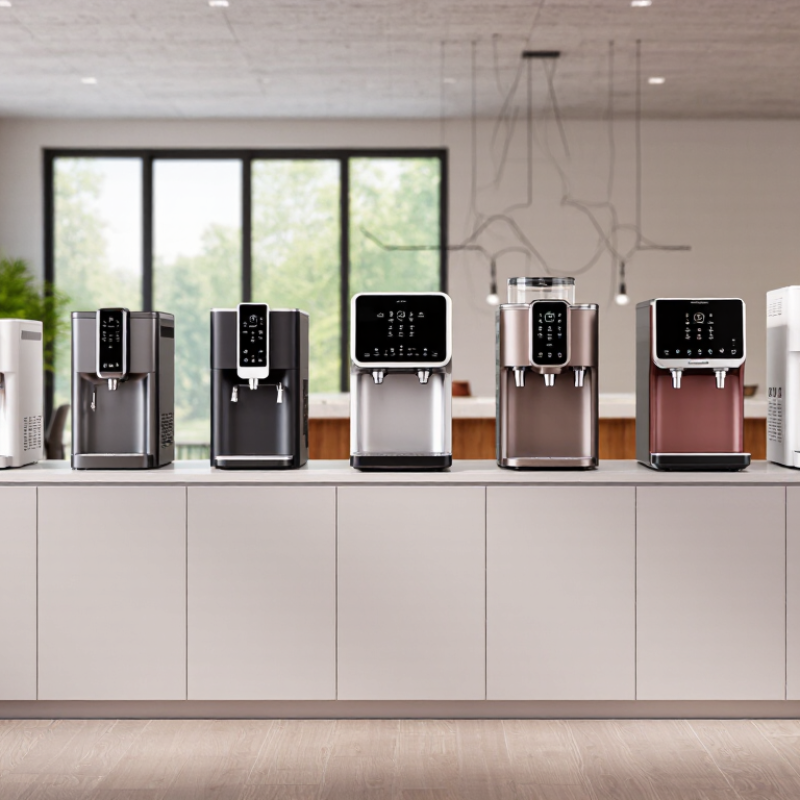
A good water cooler fits the room, water supply, and daily routine—not just the product photo. Top-loading models are easy to inspect and often simple to set up, but lifting a heavy bottle can be awkward. Bottom-loading designs hide the bottle and reduce lifting. Countertop coolers save floor space, though their smaller reservoirs may need frequent refilling. Less lifting.

Compressor coolers generally suit busy kitchens or shared offices where chilled water is used often. Thermoelectric models can be quieter and lighter, but may cool more slowly in warm rooms. Bottleless, point-of-use units connect to a water line and use filtration; they avoid bottle deliveries but require installation and timely filter changes. Hot-and-cold dispensers add convenience for tea or instant meals, though the hot tap needs a safety lock around children.

Before choosing among these seven styles, measure the spot, including clearance for doors and bottle replacement. Check whether the unit needs a drain, a nearby outlet, or a permanent water connection. A feature list can look impressive. In daily use, a noisy compressor or hard-to-clean drip tray may matter more. Read the care instructions, confirm replacement filters are available, and consider how often your household actually uses hot water. Some compromises are easy to overlook until the cooler is running beside your desk.

Water Cooler Setup, Cleaning, and Maintenance

A water cooler needs a stable, level spot with room around its vents. Keep it away from direct sunlight, ovens, and busy walkways. Check the setup instructions before loading a bottle or connecting a plumbed model. Some units need an initial flush; follow the specified steps rather than guessing. Keep the plug and outlet dry. A small detail matters: a full bottle can be awkward to lift, so leave enough space above the cooler.

For routine cleaning, switch off and unplug the unit before wiping its exterior. Use a soft cloth and mild dish soap, then dry the surface. Remove the drip tray and wash it regularly; it is easy to forget until water collects underneath. Clean the dispensing area often, especially after spills, and wash your hands before handling bottle openings. Internal sanitizing methods vary by model, so use the maker’s instructions. Never mix cleaning products, and rinse any cleaned water-contact parts as directed.

Check for leaks, unusual noises, and a loose bottle seal during regular use. Replace or clean filters on the schedule specified for that model and water source. If the cooler has been unused for a while, flush it as instructed before drinking. Maintenance can feel fussy. Skipping it can leave stale-tasting water or a sticky tap, though. Keep a simple dated note near the unit to track cleaning and filter changes.