Blog

What Is a Carding Machine and How Does It Work?

A Carding Machine is a key preparation system in modern textile spinning. It opens compressed fiber tufts, separates individual fibers, removes impurities, and forms a more uniform web. That web later becomes sliver for drawing and spinning.

Its importance is easy to see on the factory floor. Cotton enters as a rough, compact mass. Inside the machine, rotating cylinders covered with fine metallic wire gently tease the fibers apart. Flats and swift surfaces then help align them. Small adjustments can affect neps, fiber loss, unevenness, and yarn quality.

Textile technologist Wolfgang Klein described carding as “the heart of spinning.” The phrase remains useful, although it simplifies a complicated process. Carding cannot repair every raw-material problem. It must work with fiber length, moisture, contamination, and machine settings.

Industry data shows why this equipment still matters. Textile Exchange’s Materials Market Report 2024 estimated global fiber production at 124 million tonnes in 2023. It projects production could reach 160 million tonnes by 2030. The International Textile Machinery Federation also continues to track strong global investment in spinning equipment, especially across Asian manufacturing regions.

These figures provide context, not a complete performance guarantee. A newer Carding Machine may improve automation and monitoring, yet poor maintenance can still create uneven sliver. Operators must inspect clothing condition, airflow, waste levels, and cylinder settings. The best results come from matching machine design with the fiber blend and production target. That practical detail is sometimes overlooked.
What Is a Carding Machine and How Does It Work?

What Is a Carding Machine?

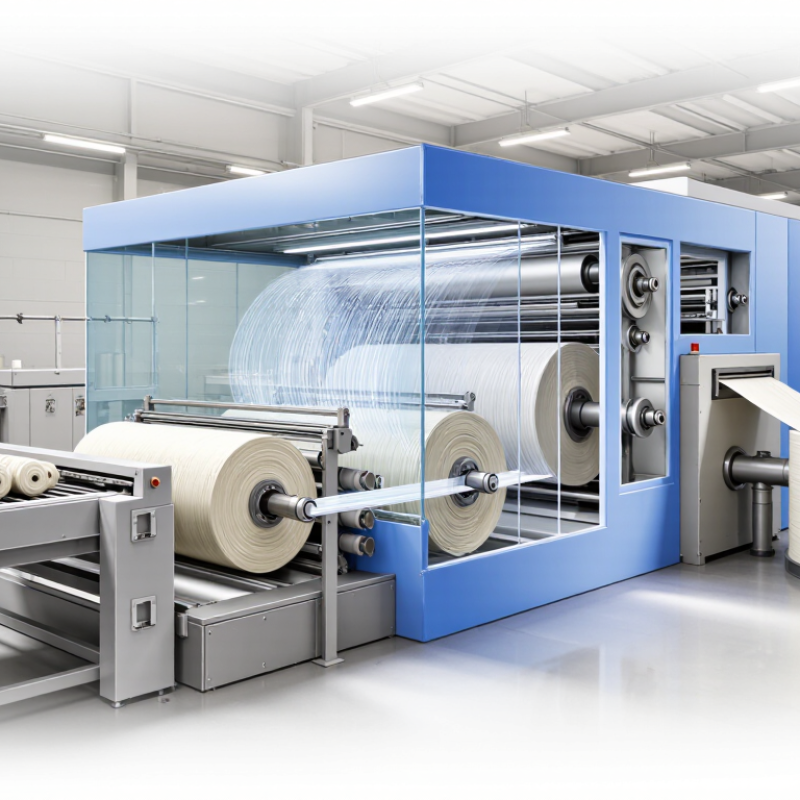
A carding machine is a textile machine that prepares loose fibers for spinning. It opens compressed fiber tufts and separates tangled strands. Fine wire-covered surfaces move the fibers in controlled directions. The result is a soft, even web called a carded batt or sliver.

Inside the machine, a large cylinder turns against smaller rollers. Their surfaces carry tiny teeth that remove dirt, loosen knots, and align fibers. Different settings affect the final texture. Faster movement may improve production, but excessive speed can break delicate fibers.

In practical use, operators inspect the output by touch and sight. Uneven thickness, fuzzy patches, or short fiber clumps often signal poor adjustment. I have found that small changes matter more than expected. The machine is precise, yet it still needs human judgment.

Tips: Keep the feed consistent and avoid overloading the intake. Check wire clothing for damage before operation. Clean trapped lint regularly, especially around rollers and ventilation points. Wear suitable protective equipment and follow the machine’s safety instructions. Record useful settings for each fiber type, but do not treat old notes as perfect rules. Temperature, moisture, and fiber condition can change the result.
What Are the Main Parts of a Carding Machine?

A carding machine separates, cleans, and aligns textile fibers before spinning. Its main parts work like a carefully timed chain. The feed rollers grip a steady sheet of fiber and carry it toward the licker-in. This smaller, fast-moving cylinder opens compact tufts and removes heavier impurities. Mote knives and grid bars collect loose waste beneath this section. Their settings matter. Excessive opening can damage delicate fibers.

The large cylinder carries the fibers through the carding zone. Fine wire points on its surface spread fibers into a thin web. Above it, flat bars help straighten and individualize the material. Some machines use rotating flats, while others use stationary designs. The doffer then removes the aligned web from the cylinder. A stripping roller transfers it into a soft, continuous sheet. Calender rollers compress this sheet slightly before the trumpet gathers it. The coiler places the material evenly inside the sliver can.

Operators monitor cylinder speed, feed thickness, wire condition, and waste levels. Small changes can affect fiber alignment and sliver evenness. In practical maintenance, wire cleanliness is easy to underestimate. A clogged surface may look acceptable but produce uneven output. This is where routine inspection becomes essential. Machine diagrams simplify the process. Real adjustment requires observation, measurement, and sometimes patient correction.

How Does the Carding Process Work Step by Step?

A carding machine opens, cleans, and aligns textile fibers before spinning. It turns a loose, tangled mass into a controlled web or soft sliver. The machine uses wire-covered rollers, airflow, and carefully measured pressure. Its performance depends on fiber length, moisture, speed, and clothing condition.

The carding process begins when an even feed enters the machine. A feed roller carries the fibers toward the licker-in, which breaks apart compact tufts and removes heavier impurities. The main cylinder then moves the fibers across its fine metallic clothing. Smaller rollers and stationary flats comb the fibers repeatedly. This action separates knots and improves alignment. The doffer gently removes the organized fiber web from the cylinder. A stripping device condenses the web into a narrow sliver, which passes through a trumpet and coiler. The coiler places it neatly inside a container.

Quality checks happen throughout the process. Operators inspect sliver weight, fiber uniformity, visible neps, and unusual noise. A slightly uneven feed can create thin places several meters later. That delay is easy to miss. Excessive speed may improve output, but it can damage fibers or increase waste. Experienced technicians adjust settings gradually and record each change. The process is not perfectly self-correcting. Humidity changes, worn clothing, or poor cleaning can alter results even when the settings look correct. Regular inspection remains essential.

How Does a Carding Machine Form and Align Fibers?

A carding machine opens compressed fiber tufts and turns them into a more controlled web. Its main working parts include a large cylinder, smaller workers, and rotating flats. These surfaces carry fine teeth that grip, separate, and redistribute fibers. Alignment starts here.

As the cylinder rotates, fibers pass through controlled gaps between moving surfaces. Short fibers, dust, and tangled clusters are gradually removed or redirected. Longer fibers tend to follow the cylinder’s direction, creating a thin, even sheet called a card web. A doffer then collects this web and condenses it into a soft sliver.

The process depends on speed, tooth spacing, moisture, and fiber condition. Experienced operators check the web by sight and touch. They look for cloudy patches, thick edges, or uneven fiber flow. Small setting changes can affect the final yarn significantly. The action is gentle, but not perfectly uniform.

In practical production, worn clothing and incorrect gaps may create neps or weak areas. These defects are easy to underestimate. Regular inspection matters because a visually acceptable web may still contain poor fiber separation. Operators often compare sliver weight, web appearance, and machine settings before adjusting the line. This hands-on judgment supports consistent carding, although natural fibers can still behave unpredictably.

A carding machine opens compressed fiber tufts, removes impurities, and aligns individual fibers into a thin web before condensing them into sliver. The licker-in normally rotates faster than the main cylinder to open the feed, while the cylinder carries fibers past the flats for further separation and alignment. The doffer runs much more slowly and gently removes the aligned fiber web from the cylinder.

What Are the Main Types and Uses of Carding Machines?

Carding machines separate, clean, and align textile fibers before spinning. They open compressed fiber tufts into a soft, controlled web. Small hooks and rollers remove much of the remaining debris. The process also improves fiber blending and reduces unevenness in later production. Operators regularly inspect the web for holes, thick spots, and tangled sections. These details often reveal poor feeding or incorrect machine settings.

Flat carding machines are common in cotton and short-staple fiber processing. They use a rotating cylinder with closely spaced teeth and a moving flat surface. This design produces fine fiber alignment and supports consistent yarn quality. Roller carding machines suit longer or coarser fibers, including wool and some technical fibers. Several rollers work at different speeds to open and transfer the material. Cylinder carding machines handle larger production volumes and often serve automated textile lines. Their strong airflow and precise controls support stable, continuous processing.

Carding machines also appear in nonwoven manufacturing. They create fiber webs for insulation, filtration materials, padding, and protective fabrics. Some machines process recycled fibers, but these materials may contain variable lengths and hidden contaminants. Careful cleaning remains essential. In my experience, operators sometimes focus too heavily on speed. That can weaken the web and increase waste. Moisture, fiber type, tooth settings, and feed rate must work together. No setting works perfectly for every batch. Regular sampling and practical adjustments usually produce more reliable results.

What Is a Carding Machine and How Does It Work? - What Are the Main Types and Uses of Carding Machines?

Category Machine Type or Stage How It Works Typical Fiber Materials Main Output Common Uses Important Operating Factors
Core Function Carding machine Opens, separates, cleans, and partially aligns individual fibers by passing material between surfaces covered with closely spaced metallic wire points. Cotton Wool Synthetic staple fiber Recycled fiber A continuous fiber web or sliver with improved fiber separation and orientation. Preparation for spinning, nonwoven production, insulation, filtration, and textile wadding. Fiber length, moisture, trash level, wire-point condition, cylinder speed, and feed uniformity.
Main Type Flat carding machine A large rotating cylinder works against a series of revolving or stationary flats. The flats remove short fibers and impurities while improving fiber alignment. Cotton Fine staple fibers Blended fibers Card sliver suitable for further drafting and spinning preparation. Ring spinning, compact spinning, rotor spinning, and fine yarn production. Flat setting, cylinder-to-flat spacing, taker-in action, feed density, and waste extraction.
Main Type Roller carding machine Fiber is processed between a main cylinder and worker, stripper, or feed rollers. The roller arrangement can be adjusted for different fiber lengths and processing intensities. Wool Long staple fiber Technical fiber Web, batt, or sliver with controlled fiber opening and orientation. Woolen and worsted processing, technical textiles, specialty fibers, and laboratory-scale preparation. Roller diameter, roller speed ratio, wire clothing, fiber length, and the required degree of fiber control.
Main Type Revolving-flat card Multiple flats move continuously around the main cylinder, providing repeated carding action and a controlled route for removing neps and short fibers. Cotton Cotton blends Recycled staple fiber Highly opened and partially aligned sliver with improved cleanliness. High-quality yarn preparation where consistent fiber orientation and trash removal are required. Flat speed, flat-to-cylinder setting, wire clothing, production rate, and waste percentage.
Specialized Type Web-forming card Carded fibers are delivered as a wide, lightweight web rather than a condensed sliver. Cross-lapping or bonding may follow the carding stage. Polyester Polypropylene Viscose Recycled fibers Uniform fiber web with a specified width, mass per unit area, and fiber orientation. Nonwoven fabrics, hygiene products, geotextiles, automotive interiors, and acoustic materials. Web width, basis weight, cross-lapping ratio, fiber blend, bonding method, and line speed.
Feed Stage Feed chute and feed roller Opened fiber tufts are supplied at a controlled rate to create an even batt before the material reaches the carding cylinder. Most staple fibers processed by carding machinery. Uniform fiber feed with reduced mass variation. Consistent sliver or web formation and improved process stability. Feed rate, batt density, chute pressure, humidity, and the consistency of the upstream opening process.
Opening Stage Taker-in or licker-in A smaller, rapidly rotating cylinder gently opens incoming tufts and removes a portion of heavy particles and loose impurities before main-cylinder carding. Cotton Recycled fiber Synthetic staple fiber Smaller, more separated fiber tufts ready for intensive carding. Initial opening, impurity removal, and protection of the main carding zone. Speed, tooth direction, feed thickness, suction, and the balance between cleaning and fiber damage.
Carding Zone Main cylinder and worker elements The main cylinder carries the fibers through interacting wire surfaces. Worker and stripper elements progressively separate and reorient fibers. Natural, synthetic, regenerated, and blended staple fibers. More individualized and aligned fibers with fewer tufts and neps. Sliver preparation, web formation, and improved downstream drafting performance. Surface speed, wire angle, clothing condition, cylinder settings, fiber moisture, and production load.
Delivery Stage Doffer and web or sliver delivery The doffer removes the processed fiber layer from the main cylinder. A web may be condensed into sliver or delivered directly to a nonwoven production line. Carded staple fibers selected for yarn or nonwoven applications. Card sliver, batt, or continuous fiber web. Drawing, combing, spinning, cross-lapping, needlepunching, thermal bonding, and hydroentanglement. Doffer speed, transfer efficiency, web evenness, delivery tension, and surface cleanliness.
Quality Indicator Card sliver or web quality Quality is evaluated by checking fiber uniformity, neps, trash content, short-fiber level, web strength, and mass variation. All fiber types, with standards adjusted to the final product. Consistent material suitable for the next processing operation. Yarn quality control, nonwoven performance control, and process optimization. Sliver mass variation, web basis weight, nep count, fiber-length distribution, cleanliness, and visual defects.
Typical Benefits Carding process advantages Carding improves fiber openness and orientation while helping remove impurities and reduce fiber clumps. Natural, synthetic, regenerated, and recycled staple fibers. More processable fiber material with improved uniformity. Higher consistency in spinning and more uniform nonwoven products. Correct machine settings are essential because excessive intensity can increase fiber breakage, neps, and waste.
Typical Limitations Process constraints Carding cannot fully replace combing when very high parallelization and short-fiber removal are required. It can also damage fibers if settings are too aggressive. Particularly relevant to delicate, very long, or highly contaminated fibers. Output quality depends strongly on feed preparation and machine adjustment. Used as part of a complete fiber preparation line rather than as an isolated operation. Control cylinder speed, wire settings, suction, production rate, and moisture to balance quality, energy use, and waste.
Note: Actual machine settings, production rates, fiber losses, and output quality vary according to fiber type, staple length, blend ratio, feed preparation, wire clothing, machine width, and the required end product.