China Top 10 Outdoor LED Solar Lights Manufacturers
Choosing a manufacturer for Led Solar Lights Outdoor products takes more than comparing catalog prices. Brightness, battery capacity, solar-panel output, housing materials, and weather protection all shape performance. Product sheets rarely show how a fixture behaves after several cloudy days or through repeated outdoor use. That gap matters.
This guide introduces ten China-based manufacturers and highlights practical details buyers can verify. It is a starting point, not an endorsement or a fixed ranking. Company capabilities, product ranges, and export experience can change, so confirm current information directly. Ask for product datasheets, test reports, warranty terms, and clear details about battery replacement. For a parking area, compare light distribution and mounting options; for a garden path, check glare and operating time. A sample installed in similar conditions can reveal issues that photographs miss. Small details count.
Manufacturers may offer customization, but a longer feature list does not always mean a better fit. Check whether stated runtime reflects realistic charging conditions, and ask how performance is measured. Also confirm which certifications apply to the exact model and target market. A supplier can look convincing online, yet response times or documentation may disappoint. That possibility deserves attention. Use the profiles that follow to compare strengths, ask sharper questions, and narrow down suppliers to investigate further. The final choice should rest on evidence suited to your project, not a headline alone.
China’s Outdoor LED Solar Lighting Industry at a Glance
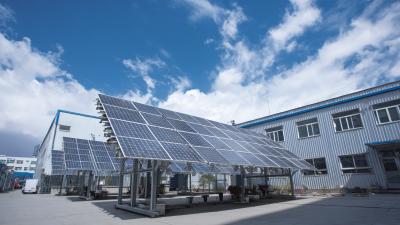
China’s outdoor LED solar lighting industry brings together component makers, lighting designers, assembly plants, and export-focused suppliers. Production clusters support access to LED modules, batteries, controllers, aluminum housings, and packaging. This can shorten sourcing cycles, but factory location alone does not prove product quality. Conditions vary. Buyers should compare test reports, warranty terms, and sample performance under similar conditions.
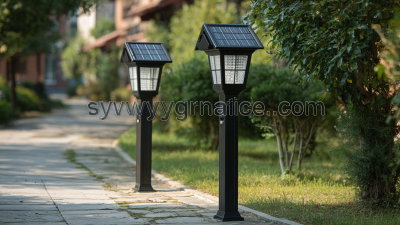
Products range from compact garden lights to street and security fixtures. Design priorities differ. A pathway lamp may need warm, low-glare light, while a parking-area fixture needs broader coverage and stable output. Battery capacity, panel size, charge control, ingress protection, and thermal management all affect performance. Ask how a model behaves after cloudy days, not only how bright it looks in a showroom. Runtime claims may assume ideal weather, and testing methods are not always directly comparable.
Tips: Request a sample and record charging hours, overnight runtime, and brightness across several nights. Check whether the stated battery and LED specifications match the delivered unit. Ask for clear installation guidance and replacement-part availability. Small details matter. A neat datasheet helps, but field checks reveal more.
How to Evaluate Chinese Solar Light Manufacturers
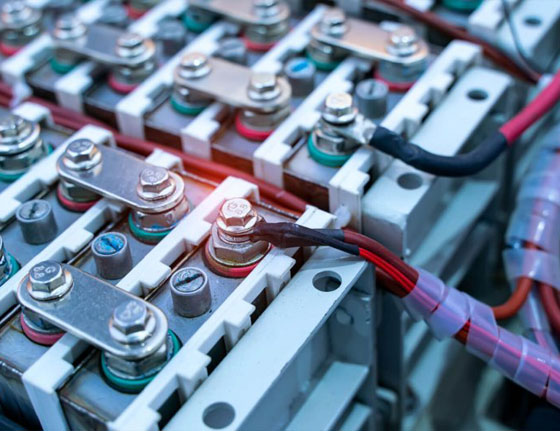
A reliable Chinese outdoor solar-light manufacturer should explain how its panel, battery, controller, and LED work together—not just quote lumens. Ask for the battery chemistry, rated capacity, panel wattage, charging conditions, and test records. Then compare those figures with your location’s winter sunlight and required nightly runtime. Small details matter.
NREL researchers Jordan and Kurtz reviewed nearly 2,000 photovoltaic degradation rates and reported a median of about 0.5% per year. That figure concerns PV modules, not complete solar lights, but it shows why long-term component performance deserves attention. Request panel aging data, battery cycle-test conditions, and lumen-maintenance results. Check whether test reports identify the exact product model and independent laboratory. A generic certificate proves little about the sample you will receive.
For outdoor fixtures, confirm the stated IP rating and ask how it was tested; for road lighting, check whether relevant luminaire safety standards apply. Request a production sample, inspect seals and cable entries, then compare its measured output with the datasheet. I would not treat a polished factory tour as proof of consistent production. Ask how defects are recorded across batches, and get warranty terms in writing. One awkward point: suppliers may quote “all-night” operation without specifying cloudy-day assumptions. Make them state those assumptions clearly.
Profiles of Ten Leading Outdoor LED Solar Light Manufacturers
Profiles of ten leading outdoor LED solar light manufacturers should compare engineering choices, not just advertised wattage. Some specialize in compact garden fixtures; others build pole-mounted systems for roads, yards, and remote sites. Their practical differences show up in battery capacity, panel sizing, thermal management, and service access. Details matter. A well-sealed die-cast housing can protect electronics, while a replaceable battery may simplify maintenance after several seasons. Ask whether performance figures describe full-power operation or sensor-dimmed operation. Those are not equivalent.
GOGLA’s Global Off-Grid Solar Market Report recorded about 9.3 million off-grid solar products sold by reporting companies in 2023. This is useful demand context, not a direct count of outdoor streetlights. A careful manufacturer profile should therefore separate market momentum from product evidence. Check measured runtime, charging recovery after cloudy days, light distribution, and documented ingress protection. Also compare warranties and access to replacement parts. On paper, many systems look similar. Field conditions disagree. A small panel can struggle under shade, and cold or heat can affect battery life. These profiles should note such limits rather than treat every specification as proven performance.
Illustrative estimate for a generic outdoor solar lighting system. Daily energy is calculated as panel power × peak sun hours × 80% system efficiency; actual output varies with location, weather, orientation, and equipment.
Core Products, Technologies, and Manufacturing Capabilities
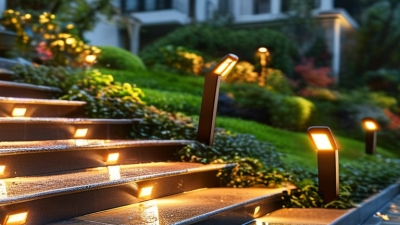
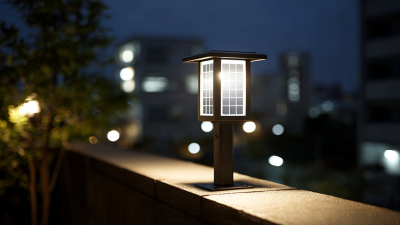
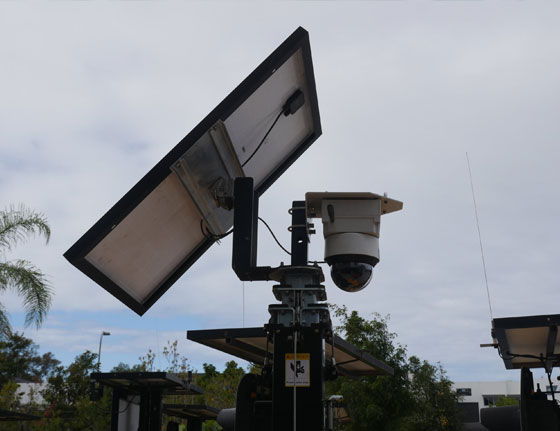
China’s outdoor solar light manufacturers produce pathway lamps, garden bollards, wall lights, security floodlights, and integrated street lights. Product capability matters more than a broad catalogue. A useful comparison checks panel size, battery chemistry, LED output, ingress protection, and mounting options. Small details count. A poorly sealed cable entry can become a failure point after months of rain.
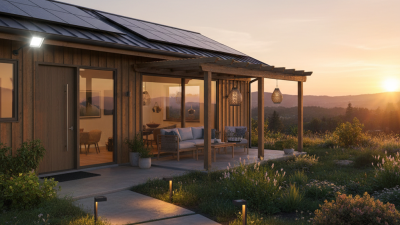
Manufacturing strength also depends on component control and repeatable testing. Ask how suppliers check battery capacity, charging performance, light output, and enclosure sealing. Request test records for the exact model, not just a general factory certificate. Some manufacturers offer adjustable brightness, motion sensing, and replaceable batteries; others favor sealed, low-maintenance units. Neither approach suits every site. For example, a shaded courtyard may need a larger panel or lower nightly output, while an open driveway can support stronger illumination. Factory scale alone is not proof of quality. I would still verify sample consistency, because polished specifications do not always match the lamp delivered in a carton.
Comparing Manufacturers for Different Project Requirements
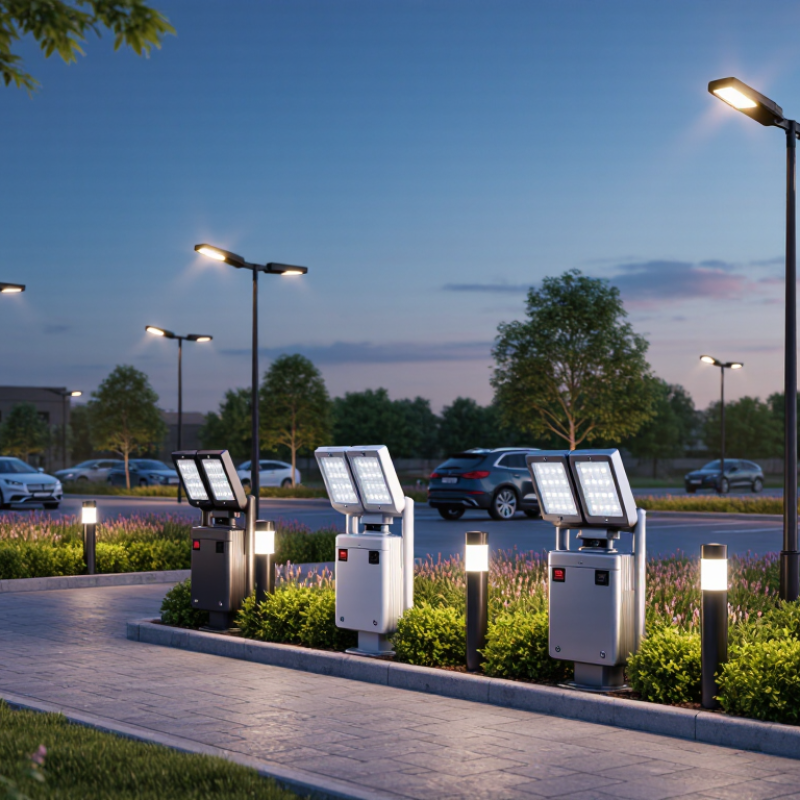
For projects comparing China’s top 10 outdoor LED solar lights manufacturers, match each supplier to the site—not just the catalog. A garden path may need modest, warm light with simple installation. A parking area needs broader coverage, dependable dusk-to-dawn operation, and sturdy mounting hardware. Compare panel size, battery capacity, lumen output, weather rating, and stated runtime. Ask how runtime was measured; figures can vary with sunlight, temperature, and settings. A bright specification alone does not guarantee useful light after a cloudy afternoon.
Review the manufacturer’s sample process, customization options, quality checks, and ability to provide clear technical documents. If possible, test a sample outdoors for several nights. Note whether the light dims early and whether the panel receives direct sun. Discuss site conditions with the supplier, including shade, winter daylight, and pole height. Small details matter. Still, a short test cannot predict every season, and comparisons may remain imperfect.
Tips: Share a simple site plan and required operating hours before requesting quotes. Ask for the same specifications from each manufacturer, then compare like with like. Check packaging and replacement-part availability, too.