Choosing a hair dryer supplier is not just a matter of comparing prices. The factory behind a product affects its motor options, housing materials, assembly quality, and ability to meet your order schedule. A polished catalog can look reassuring. It does not prove that the production line works as promised.
A reliable hair dryer factory from china should be able to explain how it controls quality, handles sample changes, and checks finished units. Ask specific questions. For example, who tests the dryer’s temperature settings? How are cord connections inspected? Can the factory show a sample that matches the proposed materials and specifications? Clear answers matter more than broad claims. Still, even a detailed factory visit or video call cannot guarantee every future shipment will be perfect. That uncertainty deserves attention.
This guide shares seven practical tips for evaluating factories, from reviewing product expertise to checking communication and production capacity. Look for concrete evidence, such as inspection records, clear quotations, and consistent sample details. Notice small things too: a delayed reply, an unexplained change in components, or a specification sheet that leaves out key information. These signs do not always mean a supplier is unsuitable. They do mean you should ask more. A careful choice takes time, and sometimes the first promising option is not the right one.
Before contacting a hair dryer factory in China, turn your product idea into a clear specification. Define the intended user, price range, and main use: daily home styling, travel, or salon work. Then list practical details, such as motor type, wattage, weight, cord length, heat and speed settings, and included attachments. Be specific. “Lightweight” means little without a target weight; “powerful” needs a measurable performance range. A one-page brief helps factories quote comparable products instead of guessing at your expectations.
Your target market affects both design and testing. Check the voltage, plug type, packaging language, and applicable product-safety requirements for the countries where you plan to sell. For example, a compact dryer for frequent travel may need a folding handle and a clear dual-voltage plan, while a salon model may need a longer cord and durable controls. Ask suppliers what test reports and inspection records they can provide, and verify that the documents match the proposed model. Early assumptions are often wrong. Treat them as estimates, then revise them after reviewing samples and buyer feedback. Even a small detail, like a nozzle that loosens during use, can change the product brief.

Before comparing prices, confirm that the supplier is the actual manufacturing site. Request its business registration, factory address, and current quality-management certificate, then check that the certificate’s legal entity and scope match the company making your hair dryers. ISO’s 2022 Survey of Management System Standard Certifications recorded roughly 790,000 ISO 9001 certificates in China. That figure shows how widespread certification is; it does not prove that any one factory is capable or reliable. Paper alone is not proof. Ask to see the production floor, incoming-material checks, and records linking motor, heating element, and cord batches to finished units.
Check whether the factory has made hair dryers for several years, not merely small appliances in general. Request dated production records, sample inspection reports, and examples of how it handles defects or design changes. During a visit, look for working temperature and airflow test equipment, and ask staff to demonstrate an overheat-protection test. IEC 60335-2-23 specifies safety requirements for appliances for skin or hair care; ask how the factory verifies relevant requirements for your model. Look closely. A polished showroom can hide uneven production controls, and I would not treat a certificate as a substitute for observing an actual run. Have the supplier test a small pilot batch and compare measured results with the agreed specifications.
A factory’s stated monthly output is only a starting point. Ask how many hair dryers it can produce while keeping the same materials, staff, and inspection steps. Request recent production records, not just a capacity figure. A line making several models may have less room for your order than the headline number suggests. Check whether the factory can show its assembly area and explain how it handles busy seasons. Numbers need context.
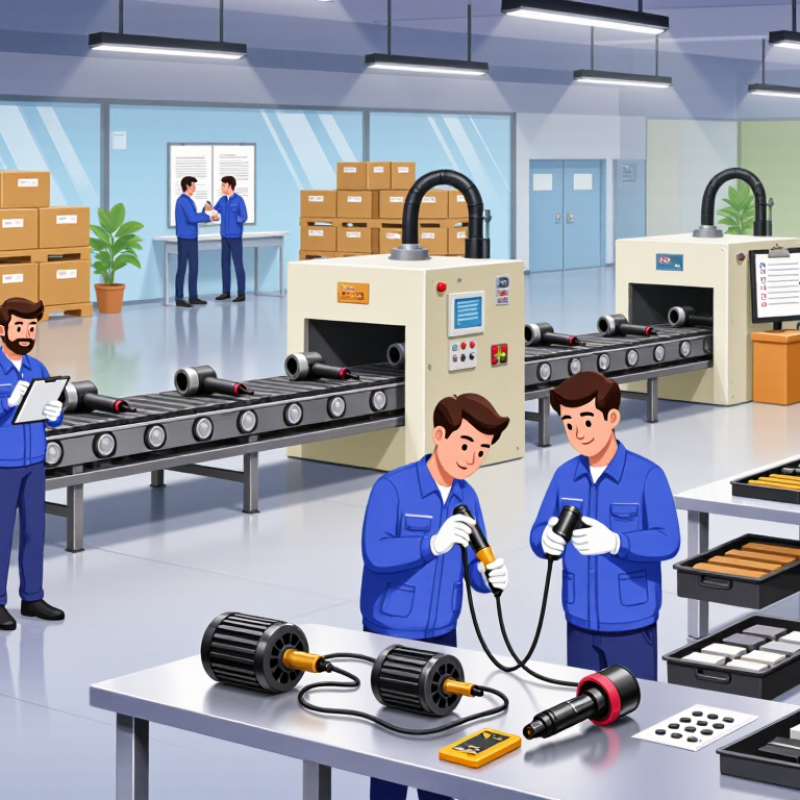
Quality control should be visible in the workflow. Ask who checks heating elements, switches, power cords, and housing fit, and when those checks happen. A clear inspection record is more useful than a general promise of “strict quality.” Look for traceable batch numbers and written steps for handling defective units. If records are incomplete, ask why; there may be a reasonable explanation, but it deserves follow-up.
Testing should reflect real use. Ask for results from airflow, temperature stability, overheating protection, and repeated on-off cycle tests. Confirm the sample matches the materials and components planned for production. Watch a test if possible: a temperature reading taken at one point may miss uneven heat near the outlet. No factory is flawless, and a polished sample does not guarantee every unit will match it. Compare sample results with checks on finished goods before placing a large order.
A reliable hair dryer factory should prove compliance, not simply display certificates. Ask for current test reports covering the exact model, plug, voltage, and materials you plan to order. IEC 60335-1 and IEC 60335-2-23 address safety requirements for household appliances and hair-care appliances. Confirm that testing comes from a competent laboratory and matches your destination market. Paperwork matters. So does the production line.
Tip: Request a sample compliance file and trace one model number through its reports. Check that the rating label, cord, and sample match. A polished certificate can still leave gaps.
Customization needs clear limits. Ask whether the factory can adjust airflow settings, temperature controls, housing color, cord length, and packaging—and what each change does to tooling, testing, and lead time. Grand View Research estimated the global hair dryer market at about USD 9.1 billion in 2023, with growth forecast through 2030. That demand makes differentiation attractive, but rushed changes can create avoidable quality issues.
Tip: Review the product-development process before paying for tooling. Request a written timeline for design review, prototypes, safety testing, and pilot production. Test a dryer after repeated use, not only straight from the box. I’d also question any supplier promising every feature at once; sometimes a simpler design is the wiser choice.
When comparing hair dryer factories in China, test communication with a specific question, not a general request for a quotation. Ask how they handle a changed plug specification or a delayed sample. Clear replies should name the person responsible, the next action, and a realistic response time. Keep questions and answers in one email thread or shared document. Small details matter. If answers are vague before an order, resolving production issues may take longer.
Compare pricing line by line. Check whether the quote includes the motor, housing, cord, packaging, sample fees, and inspection costs. Ask what could change the unit price, such as a different material or order quantity. A low figure can hide missing items. That gap matters. Record the agreed specifications beside each price, then ask the factory to confirm them in writing. Even careful buyers sometimes miss a cost.
Delivery terms need the same close review. Request a production schedule with sample approval, material preparation, assembly, and final inspection dates. Ask whether the quoted lead time starts after deposit, artwork approval, or sample confirmation. Clarify the shipping term, destination responsibilities, and what happens if a milestone slips. A calendar date alone is weak evidence. Compare promised capacity with the factory’s current workload, and leave room for delays. A neat spreadsheet helps, but it cannot verify every promise; request dated progress photos or a brief production update.