Blog

How to Choose the Right Self Locking Connector?

Choosing the right Self Locking Connector starts with the conditions it must handle, not its appearance. A compact plug may look suitable, yet fail when exposed to vibration, moisture, or frequent mating cycles. Define the required current, voltage, signal type, operating temperature, and ingress protection before comparing designs. Small details matter. A connector used inside a control cabinet faces different demands from one mounted on mobile equipment.

Next, assess the locking mechanism, contact layout, cable size, and available installation space. A threaded coupling can resist loosening, while a push-pull design may allow faster connection where access is limited. Neither is automatically better. Check the manufacturer’s datasheet for rated performance, compatible cable ranges, mating-cycle limits, and approved assembly instructions. Then confirm that the selected model fits the actual panel cutout or equipment interface. A specification is a starting point, not a substitute for checking the application.

There is one detail teams sometimes overlook: how easily the connector can be inspected, cleaned, and replaced after installation. A secure connection is useful only if technicians can maintain it without stressing nearby cables. If vibration is expected, evaluate strain relief and test a representative assembly under realistic conditions. I would not choose by price alone, though budgets do matter. The right choice balances electrical needs, mechanical retention, environment, and service access—and it may take a second review to catch a mismatch.
How to Choose the Right Self Locking Connector?

Define the Application and Operating Requirements

Start with the real operating conditions, not the connector’s appearance. Will it sit beside a vibrating motor, outdoors in rain, or inside a warm, crowded enclosure? Record voltage, current, wire size, temperature range, moisture exposure, and expected mating cycles. Include shock and vibration where relevant. A latch that feels secure on a quiet workbench may loosen under repeated movement.

Bishop & Associates’ 2024 connector-market report estimated worldwide connector sales at about $82.5 billion in 2023. That scale reflects many applications, not one universal specification. Use the figure as context, not as proof that a particular connector fits your design. Check relevant IEC 60512 test results for electrical and mechanical performance, then compare them with your actual duty cycle. Measure mating and release forces with the gloves technicians will wear. Consider whether the latch can be inspected and cleaned after installation. Small details matter. A neat datasheet can still leave gaps: if vibration duration or service frequency is unknown, document the assumption and test it. That is not ideal, but it is safer than treating an unspecified condition as harmless.


Compare Self-Locking Mechanisms and Connector Types

How to Choose the Right Self-Locking Connector?

Compare Self-Locking Mechanisms and Connector Types

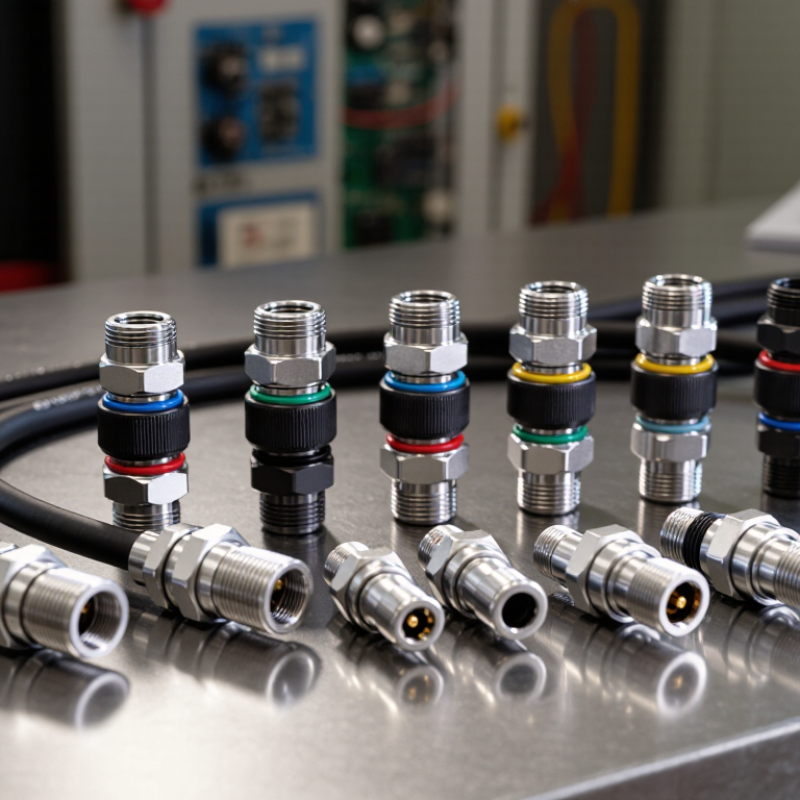
Self-locking connectors resist accidental separation, but their mechanisms suit different tasks. Threaded couplings provide firm engagement and work well where vibration is expected. They need turning space and can be awkward with gloves. Bayonet couplings lock with a short twist; push-pull types connect quickly but need protected release access. Latch mechanisms offer a clear click, though dirt can obstruct small latches.

There is no universal winner.

Grand View Research’s Electrical Connectors Market Size report estimates the global market at USD 84.4 billion in 2023, with a projected 6.1% compound annual growth rate from 2024 to 2030. This broad market forecast does not rank locking styles. Use it as context, not proof of connector performance.

Compare mating cycles, vibration resistance, sealing, cable pull strength, and whether users can inspect the lock in place. A perfect datasheet match can still feel clumsy in a cramped panel.

Tips: Test the connector on the actual cable and enclosure. Try it with gloves. Check whether a tug can trigger release. One detail gets missed: confirm the required sealing rating applies when the connector is mated, not left open.

Match Electrical Ratings and Environmental Protection

How to Choose the Right Self Locking Connector?

Match Electrical Ratings and Environmental Protection

A self-locking connector must handle both the circuit and its surroundings. Start with the equipment’s maximum voltage, continuous current, and possible inrush current. Then check the connector’s rating at the actual operating temperature. IEC 60512-5-2 describes methods for measuring connector temperature rise under current; its test framework is a useful reminder that current capacity depends on heat, not just pin size. A connector rated for a certain current in open air may need derating inside a warm, crowded enclosure.

Small detail. Often missed.

For moisture and dust, read the IP code rather than relying on vague terms such as “weatherproof.” Under IEC 60529, IP6X means dust-tight, while IPX7 tests protection against immersion in one metre of water for 30 minutes. IPX8 covers deeper or longer immersion under conditions specified by the manufacturer, so it does not automatically mean every IPX8 connector performs alike. Match the test condition to the real exposure: spray, washdown, condensation, or temporary submersion.

Check the seal material, cable diameter range, and mating procedure, too. A misaligned seal or an incompletely locked coupling can undermine a strong ingress rating. One design blind spot is assuming the rating remains unchanged after repeated mating or vibration. Verify the supplier’s test conditions and inspect the connector in its installed configuration. The datasheet alone may not tell the whole story.

Check Compatibility, Installation, and Maintenance Needs

How to Choose the Right Self Locking Connector?

Check Compatibility, Installation, and Maintenance Needs

Compatibility begins with the electrical and mechanical details. Match the connector’s rated voltage and current to the circuit, and check pin count, wire gauge, and contact arrangement. Then compare the mating shape, locking style, and available panel space. A connector that fits electrically may still interfere with nearby cables or equipment. Check the manufacturer’s technical data rather than relying on appearance alone. Fit matters.

Installation conditions can change the right choice. Consider whether technicians will connect it by hand, use a tool, or work in a cramped enclosure. Look for clear access to the locking sleeve or latch, and confirm the cable can bend without pulling on the contacts. Keep mating surfaces clean and align the parts before joining them. Never force it. A sample fit during prototyping can reveal awkward handling, though it may not reflect every field condition.

Maintenance needs deserve equal attention. In dusty, damp, or vibration-prone locations, verify that the connector’s environmental and retention ratings suit the actual exposure. Plan how staff will inspect it: visible wear, loose locking parts, damaged seals, or corrosion can signal trouble. Follow the specified cleaning and replacement guidance, and avoid improvised lubricants. Inspection intervals may need adjustment after real operating experience; the initial plan is rarely perfect.

How to Choose the Right Self-Locking Connector? — Check Compatibility, Installation, and Maintenance Needs

Selection Area What to Check Practical Guidance Good Fit When...
Electrical compatibility Contact count and layout, wire or cable size, voltage, current, and signal type Match the connector’s rated values to the application. Check whether adjacent contacts or mixed power-and-signal circuits require additional spacing or separation. The connector’s pin arrangement and documented ratings meet the equipment requirements.
Mating interface Connector series, shell size, keying, gender, and mating dimensions Confirm that both halves are designed to mate. Similar-looking connectors may differ in keying, contact arrangement, or dimensions and may not be interchangeable. The connector mates correctly with the existing panel, cable assembly, or device without force or modification.
Locking mechanism Push-pull, bayonet, threaded, or latch-style engagement; resistance to accidental release Choose a mechanism suited to the expected vibration, access, and connection frequency. Verify the maker’s engagement and release procedure rather than relying on appearance alone. The connection stays secure in normal use and can still be released safely when needed.
Environment and sealing Dust, moisture, chemicals, temperature, and indoor or outdoor exposure Check the specified operating limits and ingress-protection rating, if provided. A rating applies only under its stated test conditions and with the connector correctly assembled and mated. The documented environmental limits cover the actual installation conditions.
Installation method Panel mount or cable mount, available space, cable routing, and required tools Allow room for mating and release, observe cable bend requirements, and follow the specified assembly steps. Use the recommended crimping, soldering, or termination method for the selected contacts. The connector can be installed and serviced without putting strain on contacts, seals, or the cable.
Connection frequency Expected number of mating cycles and how often equipment is disconnected Compare the documented mating-cycle life with the anticipated service pattern. Inspect contacts and locking features periodically in frequently connected applications. The connector’s stated durability suits the expected number of connection cycles.
Maintenance and inspection Access for cleaning, inspection, replacement, and checking for wear or damage Keep contacts clean and dry as specified. Do not mate damaged, contaminated, or visibly corroded parts; replace worn seals or components only as permitted by the product documentation. Routine checks can be performed safely and any service parts or replacement procedures are clearly defined.
Safety and documentation Applicable standards, installation instructions, and electrical isolation requirements Use the connector within its stated ratings and follow applicable equipment procedures. De-energize circuits before connecting or disconnecting unless the system is specifically designed for live mating. Ratings, instructions, and required safety procedures are available for the complete assembly.

Selection reminder: Confirm compatibility and ratings using the technical documentation for the exact connector and mating parts. Do not assume that connectors with similar shapes or locking styles are interchangeable.

Verify Standards, Safety, and Performance Requirements

How to Choose the Right Self Locking Connector?

Verify Standards, Safety, and Performance Requirements

A self-locking connector should stay engaged under the loads your equipment actually experiences. Start with rated voltage, current, temperature, and expected mating cycles. Then check the applicable safety standard and request test evidence, not just a catalogue claim. IEC 60512 describes methods for testing connector performance, including electrical and mechanical characteristics. It does not set one universal pass limit for every application; compare results with your system requirements.

Environmental ratings need equal care. Under IEC 60529, IP67 indicates dust protection and temporary immersion in water up to 1 metre for 30 minutes under specified test conditions. That does not guarantee suitability for repeated immersion, pressure washing, or every cable-entry arrangement. Confirm whether tests covered the fully mated connector, and check contact resistance, retention force, and vibration performance. Small details matter.