
Buying an End Dump Truck for an overseas operation is not just a price comparison. Payload, axle layout, body volume, and unloading conditions all affect daily performance. A truck suited to quarry work may struggle on narrow routes or soft ground. Small details matter. The right choice depends on the job, not simply the largest capacity or lowest quote.
Before comparing suppliers, define the material you will haul, typical load weight, road conditions, and expected operating hours. Ask for verified specifications, including rated payload, body dimensions, hoist details, and axle configuration. Check what parts are available locally and how service support will work after delivery. Photos help, but they cannot replace a careful inspection or clear written documentation. Confirm that the proposed configuration matches your needs and the requirements of your destination market.
These seven buying tips are designed to help global buyers ask better questions and compare offers more consistently. A quote can look attractive while leaving important costs unclear, such as shipping, commissioning, or spare parts. No checklist removes every risk, and specifications can seem clearer on paper than they feel in daily work. That is worth admitting. Use the guidance as a starting point, then verify key details directly with the manufacturer or a qualified local specialist. A considered purchase may take longer, but it can prevent avoidable downtime and costly mismatches.
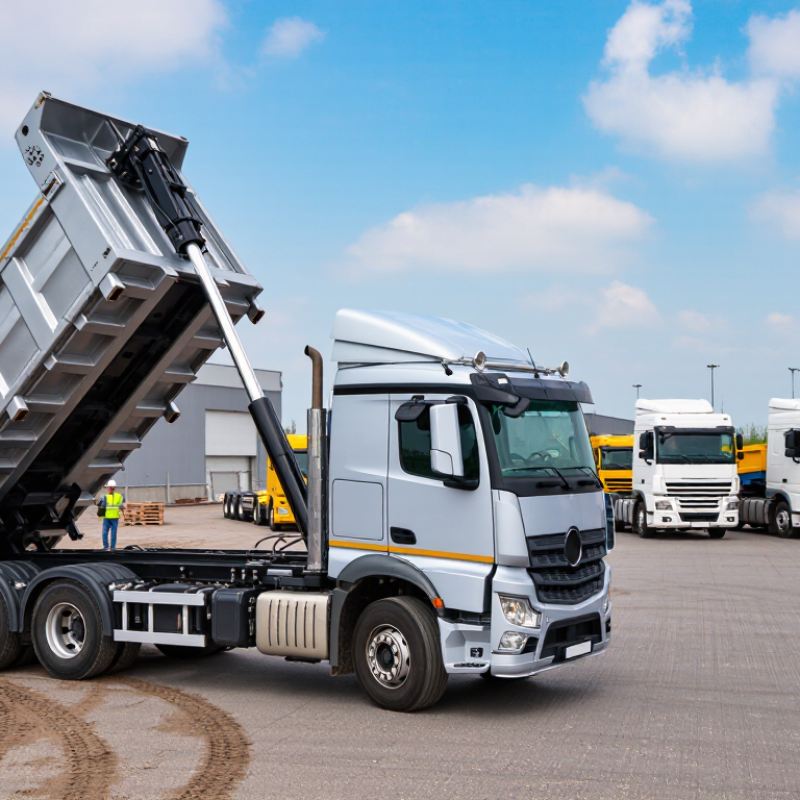
Before choosing an end dump truck, map the work it will actually do. Record typical payload weight, daily trips, and the materials’ density; a truck filled with wet soil behaves differently from one carrying loose aggregate. Check loading equipment, unloading space, and turnaround time at each site. Measure the route, too. Narrow gates, steep grades, soft ground, and low bridges can affect truck size and body choice.
Tip: Match capacity to the job, not the best-case estimate. Compare expected loads with the truck’s rated payload and local weight limits. Frequent overloading can increase wear, braking distance, and tire stress. If loads vary, ask an experienced fleet mechanic or equipment supplier to review your estimates. Their advice should reflect your routes and maintenance resources.
Climate and road conditions matter as much as payload. Cold mornings can affect starting and hydraulics; heat and dust can raise cooling and filtration demands. Consider how often the truck will travel on paved roads versus rough worksite tracks. A larger body may seem efficient, but it can be awkward where turning room is limited. I would recheck these assumptions after a week of real operating data; early estimates are often imperfect.

A truck’s rated payload should match the material and the routes it will travel. Sand and wet soil can weigh far more than their volume suggests. Compare expected load weight with the truck’s payload rating, then check axle ratings and permitted operating limits for the destination. Do not size the truck from body volume alone. A tall body may hold plenty of loose material but overload the chassis when filled with gravel. Measure twice.
Chassis choice affects more than capacity. Consider wheelbase, axle configuration, ground clearance, and road conditions. A longer wheelbase can improve stability on suitable roads, while tight work sites may favor a more maneuverable truck. The dump body must also suit the material: abrasion-resistant steel can help with rough aggregate, while body length and side height affect loading and unloading. Check hinge position, hoist capacity, and clearance beneath overhead structures. That last detail is easy to overlook.
Ask suppliers for chassis and body drawings, axle-load data, and a clearly stated payload basis. Confirm whether the quoted capacity means body volume, rated payload, or both. Specifications can look neat on paper; real loads rarely behave so neatly. If possible, compare the proposed setup with trucks already working on similar routes, and note where they struggle. A mismatch often appears as slow loading, uneven tire wear, or difficult dumping.
Before buying an end dump truck, inspect it in daylight and look beyond fresh paint. Check frame rails, crossmembers, and welds for cracks, distortion, or uneven repairs. Look closely. Examine the dump body floor and sidewalls for deep wear, especially near the tailgate and impact points. Raise the body only on firm, level ground, following the seller’s safety procedure. Watch the hoist for leaks, uneven movement, or unusual noise. A quick walk-around is useful, but it cannot replace a qualified mechanical inspection.
Tip 1: Test safety features in person. Confirm that the tailgate opens and latches smoothly, and that warning lights, alarms, mirrors, and cameras work. Inspect tires for uneven wear and check that brakes respond consistently during a controlled test. Ask how the truck behaves when loaded; an empty test may not reveal stability concerns. Details are easy to miss.
Tip 2: Check serviceability before negotiating. Look for accessible grease points, hydraulic hoses, filters, and routine maintenance items. Ask for maintenance records and note when key components were last serviced. Confirm that replacement parts and trained service support are available where the truck will operate. I would not assume a clean cab means careful maintenance; records and inspection findings matter more. Ask a technician to estimate likely repairs, then compare that cost with the purchase price.
Before paying a deposit, verify that the end dump truck can be registered and operated in its destination market. Ask for written documentation covering emissions, braking, lighting, axle loads, and required vehicle approvals. Requirements vary by country and sometimes by region. Have a qualified local inspector review the paperwork and the truck’s configuration. One missing document can delay delivery.
Parts support matters when a truck works far from a major city. The American Transportation Research Institute’s 2024 Operational Costs of Trucking report estimated average U.S. trucking costs at $2.27 per mile in 2023. That figure is not specific to end dump trucks, but it shows how quickly operating expenses accumulate. Ask the dealer for a current parts list, local stock levels, and typical delivery times for filters, brake components, and hydraulic hoses. Small delays compound.
Check service capacity at the actual worksite, not just the dealer’s city office. Request technician availability, after-hours contact details, and a written process for urgent repairs. I would still treat promised delivery times cautiously; a spreadsheet cannot prove a part is on a shelf. Test the support pathway before purchase by requesting a common replacement part and recording how long the response takes.
Suggested evaluation weights for comparing end dump trucks across markets
Give close attention to local compliance, parts access, and dealer support. These suggested weights are a buyer-planning framework, not survey results or universal legal requirements; verify applicable rules and support arrangements in your destination market.
An end dump truck’s purchase price is only one part of its cost. Compare suppliers using the same ownership period, annual operating hours, payload, and haul distance. Include freight, insurance, financing, scheduled maintenance, tires, and expected resale value. Keep the assumptions visible. Small gaps matter.
Fuel can reshape the comparison. Estimate consumption from the truck’s engine, load, terrain, and idle time, then multiply it by realistic yearly hours. A model that costs less upfront may use more fuel on steep or stop-start routes. Ask for service intervals and prices for common parts, including hydraulic hoses, filters, and brake components. Check whether parts are stocked near your operating area or must travel a long distance.
Look beyond the warranty headline. Request written details about coverage limits, excluded wear items, and who pays for diagnostic labor. Compare delivery timing and technician access, since a truck waiting for a part still carries costs. A simple spreadsheet helps, but estimates will remain imperfect; fuel prices, resale demand, and repair frequency can change. One easy mistake is assuming every truck will run the same hours. Test the numbers against both a normal year and a difficult one.
| # | Buying Tip | What to Compare | Checks Before Ordering | Total Ownership Cost Impact |
|---|---|---|---|---|
| 1 | Match the truck to the job | Payload capacity, body volume, material density, route conditions, and expected daily cycles. | Confirm the legal gross vehicle and axle-weight limits for the operating country. Check that the body and chassis suit the material and loading method. | An unsuitable capacity can mean fewer loads per shift, excess fuel use, premature wear, or operating outside legal limits. |
| 2 | Compare fuel use in real working conditions | Engine and transmission configuration, loaded and empty travel, terrain, traffic, idling, and fuel type. | Ask for test or fleet records using a duty cycle similar to yours. Compare fuel consumption in litres per 100 km or litres per operating hour, using the same measurement basis. | Fuel is a recurring operating expense; small differences can add up over high annual mileage or many working hours. |
| 3 | Evaluate the full service and repair plan | Scheduled service intervals, parts availability, labour requirements, warranty coverage, and access to qualified technicians. | Request the maintenance schedule, warranty terms, common service-part list, and details of local or regional support. Check what is excluded from warranty coverage. | Maintenance, repairs, and time out of service affect operating costs and the number of productive days available. |
| 4 | Check tyres, suspension, and braking equipment | Tyre size and availability, axle configuration, suspension type, brake system, and suitability for road or site conditions. | Confirm replacement tyre availability and local service capability. Verify that brakes and vehicle configuration meet applicable local regulations. | Tyre replacement, wear caused by poor route matching, and repair downtime should be included in the ownership estimate. |
| 5 | Verify the body and hydraulic system | Body material and floor thickness, tailgate design, hoist configuration, hydraulic components, and compatibility with the intended load. | Request drawings and specifications. Confirm operating procedures, inspection requirements, and that the dumping area provides adequate clearance and stable ground. | Body and hydraulic repairs can affect both maintenance spending and availability; safe operating conditions are essential. |
| 6 | Calculate delivered and compliance costs | Vehicle price, shipping, insurance, import duties, taxes, port charges, registration, and required emissions or safety compliance. | Ask for a clearly itemized quotation and confirm applicable import rules, documentation, emissions standards, and vehicle approval requirements with local authorities or a customs professional. | The purchase price alone does not show the landed cost; taxes, freight, modifications, and approval work can change the total significantly. |
| 7 | Compare supplier support and resale prospects | Parts lead times, technical assistance, training, documentation, warranty administration, and local demand for used vehicles. | Agree on support contacts, response procedures, parts ordering arrangements, training scope, and the documents supplied with the truck. Assess resale value using local market evidence. | Reliable support can reduce delays, while resale value affects the net cost after the planned ownership period. |
Compare offers over the same ownership period and duty cycle. Include purchase and delivery costs, fuel, scheduled maintenance, repairs, tyres, downtime, compliance costs, and estimated resale value; actual costs depend on local prices and operating conditions.