What Is an Interactive Light Sculpture?
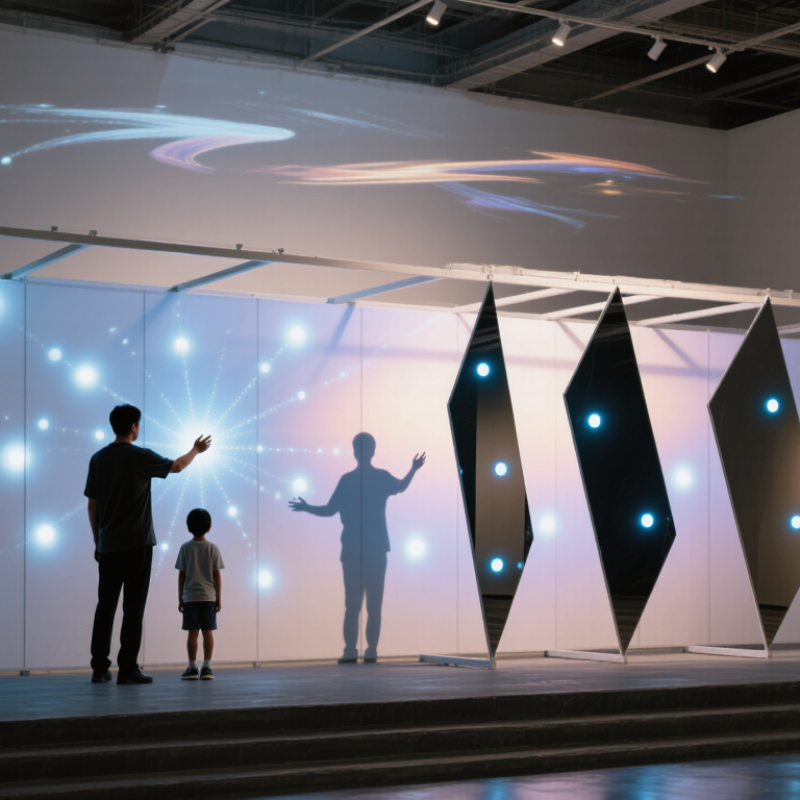
An Interactive Light Sculpture is an artwork that changes in response to people, movement, sound, or other signals. Instead of presenting light as a fixed image, it makes illumination part of an exchange. A visitor might approach a panel and see blue points brighten, or hear soft tones as shadows cross a wall. The exact effect depends on the artist’s design and the sensors, lights, and software involved. Small changes matter. A slow gesture may create a gradual glow, while a sudden movement can trigger a sharper shift. These works can appear in galleries, public spaces, or temporary installations, though each setting shapes how people encounter them.
Understanding an Interactive Light Sculpture means looking beyond its appearance. Consider what the audience can do, how clearly the work responds, and whether its materials support the intended effect. LEDs, projection, reflective surfaces, motion sensors, and control systems are common tools, but technology alone does not make an experience meaningful. A responsive installation can feel engaging when its feedback is visible and easy to interpret. It can also feel confusing when a person’s actions produce no clear result. That is a genuine design challenge. Light may attract attention, yet brightness, glare, and room conditions can affect comfort and visibility. The strongest works balance technical function with artistic purpose, while leaving room for curiosity. Not every response feels perfect. That tension can be worth examining: it reveals how participation, perception, and the surrounding space shape the work.
Definition and Core Characteristics of an Interactive Light Sculpture
What Is an Interactive Light Sculpture?
Definition and Core Characteristics of an Interactive Light Sculpture
An interactive light sculpture is an artwork that changes its light in response to people or nearby conditions. A visitor might approach, pause, or move a hand, prompting shifts in color, brightness, or pattern. The sculpture is not merely illuminated; its behavior is part of the artwork. Sometimes the response is subtle.
Sensors, software, and light sources can work together to create this exchange. A motion sensor may trigger a slow blue pulse, while several people crossing a space might produce overlapping patterns. The response should feel connected to what caused it. If every movement produces the same flash, the interaction can quickly feel predictable.
A strong sculpture also considers its physical setting. Light may spill across a nearby wall, reflect on a floor, or change how a dark passage feels. Clear responses help visitors understand that their presence matters, even without instructions. Designers need to test brightness, timing, and sensor range in the actual space; a response that works in a studio may behave differently in a crowded room. There is no perfect formula. Too much activity can become tiring, and a quiet response may be missed. That tension is worth examining.
Key Components: Light Sources, Sensors, and Control Systems
What Is an Interactive Light Sculpture?
Key Components: Light Sources, Sensors, and Control Systems
An interactive light sculpture responds to people, movement, or changes in its surroundings. Its light sources shape the visual effect. LEDs are common because they use relatively little power and can produce varied colors. Diffusers soften bright points, while reflective surfaces can scatter light across nearby walls. Small details matter. A bare light can feel harsh in a dim gallery.
Sensors provide the sculpture with information. A proximity sensor may trigger a glow as someone approaches, while a light sensor can adjust brightness as daylight shifts. The sensor’s location affects what it detects. A sensor facing a busy doorway may react constantly, even when nobody intends to interact. The room changes everything. Testing in the actual space helps reveal these surprises.
A control system interprets sensor readings and determines how the lights respond. It may set color, brightness, timing, or transitions. Clear, modest responses often feel more understandable than elaborate effects. There is a trade-off: a quick reaction feels lively, but excessive sensitivity can make the sculpture flicker unpredictably. Calibration is not always tidy; reflections, shadows, and crowds can produce inconsistent readings. A useful design leaves room to adjust thresholds and test different conditions. One overlooked issue is heat: tightly enclosed light sources may need ventilation to work reliably.
How Audience Actions Shape the Sculpture’s Light and Form
An interactive light sculpture changes when people move, pause, or gather near it. Its sensors may detect distance, motion, touch, or shifts in ambient brightness. A slow step could send a pale blue glow across nearby panels; a raised hand might trigger a brief pulse. The visitor is not merely watching. They become part of the sculpture’s timing. Light can reveal edges, soften them, or make a rigid structure seem to breathe. Small actions matter.
When several visitors approach, the system can blend their movements into a larger pattern. For example, lights may brighten where people cluster, then dim as the room clears. This relationship works best when responses are clear but not perfectly predictable. A tiny delay invites curiosity; too much delay can make the installation feel unresponsive. Designers tune sensor placement, brightness, and transition speed through repeated testing in the actual space. Yet the result is never entirely controlled. Someone may move unexpectedly, or ignore the invitation altogether. That uncertainty is useful, though sometimes awkward: the sculpture must still offer a legible experience to someone standing quietly at its edge.
Common Materials, Technologies, and Artistic Approaches
Interactive light sculptures combine luminous elements, structure, and audience response. Common materials include translucent acrylic, diffusion fabric, aluminum frames, and recycled plastics. Frosted panels soften bright points; perforated metal casts crisp shadows across a floor. Small choices matter.
Sensors translate movement, distance, sound, or touch into changes in light. Infrared sensors suit dim rooms, while cameras can track broad gestures but require careful calibration. Microcontrollers coordinate signals, and programmable LEDs create slow fades or sudden color shifts. The International Energy Agency’s lighting overview estimates that lighting accounts for roughly 15% of global electricity use and 5% of energy-related emissions. The U.S. Department of Energy says LEDs use at least 75% less energy and last up to 25 times longer than incandescent bulbs. These figures support efficient design, but they do not remove concerns about glare, heat, or repair access. Sometimes restraint is better.
Artists may choreograph gradual transitions, invite visitors to interrupt a pattern, or let a group reshape one shared field of light. Each approach changes how people move and gather, not just what they see. Test sensors with visitors in the actual room; a device that works on a bench may miss a child’s small movement. Imperfect, but useful.
Contexts and Experiences in Which Interactive Light Sculptures Appear
What Is an Interactive Light Sculpture? Contexts and Experiences in Which Interactive Light Sculptures Appear
Interactive light sculptures change as people move, pause, or make sounds nearby. Their meaning often depends on where they appear. In a quiet gallery, a slow shift from blue to amber can invite close attention. In a busy plaza, brighter patterns may catch the eye from across the street. The same work can feel intimate indoors and almost theatrical outdoors. Small shifts matter.
These sculptures can turn ordinary settings into shared experiences. In a library, gentle light that responds to movement may encourage visitors to explore without interrupting the calm. At a community event, people might create patterns together by walking across a sensor area. Clear pathways and comfortable brightness help visitors engage without crowding or discomfort. I still find that the most responsive work is not always the most memorable; sometimes a delayed glow feels confusing. That hesitation can be useful, though. It reminds designers to observe how real visitors behave, not just how a piece works in a demonstration.
Tips: Watch the sculpture from several distances. Notice whether children, wheelchair users, and passersby can interact comfortably. Keep instructions brief, and leave room for quiet observation.