Blog

Top 5 Tips for Choosing the Best Outdoor Street Light?

Choosing the right outdoor street light can significantly enhance your outdoor space. It impacts safety, visibility, and ambiance. A well-lit street improves security and deters crime. It also makes pathways and residential areas more inviting.

When selecting an outdoor street light, consider various factors. The brightness should match the environment to avoid glare. Durability is essential. Lights should withstand weather conditions, from rain to snow. Energy efficiency can lead to savings in utility costs. It's crucial to choose lights that last and require minimal maintenance.

In addition, style and design matter. The light should complement the surroundings. Aesthetic choices can highlight landscaping or architectural features. Even small details can elevate the overall look. Reflecting on these elements will help you make a thoughtful decision about your outdoor street light.
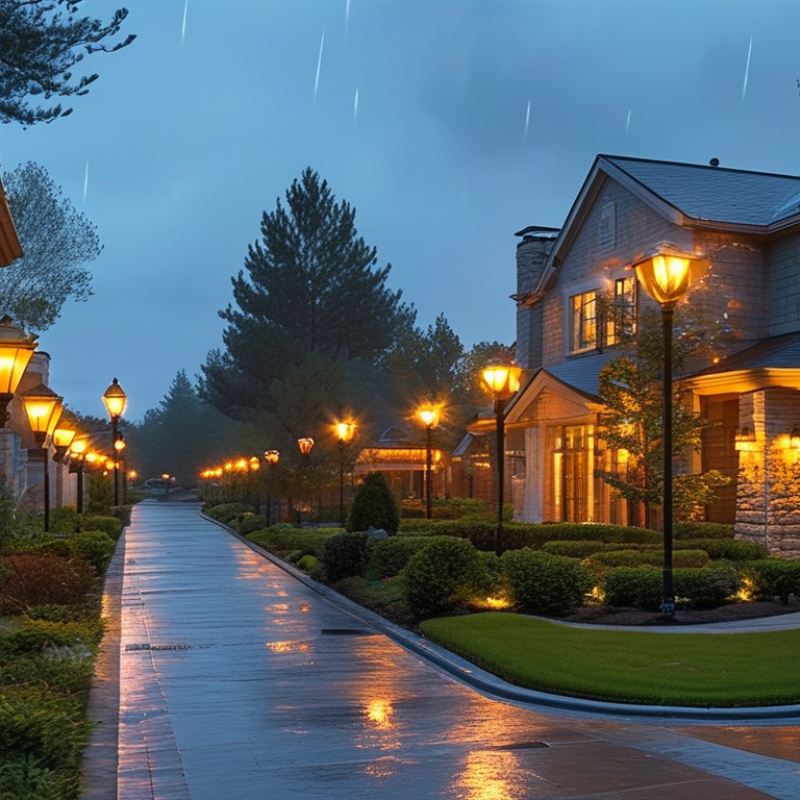
Top 5 Tips for Choosing the Best Outdoor Street Light?

Understanding the Different Types of Outdoor Street Lights Available

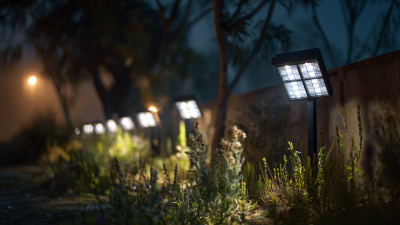
When selecting outdoor street lights, understanding the different types available is crucial. There are several options to consider, such as LED, solar, and traditional flood lights. LED lights offer energy efficiency and a long lifespan. Meanwhile, solar lights harness sunlight, reducing energy costs. Traditional flood lights provide robust illumination but can consume more energy.

Choosing the right type involves assessing your specific needs. For instance, consider the area’s size and the light intensity required. If you need lights for a park, bright illumination is essential. For pathways, softer lighting may suffice. Take into account environmental conditions, such as weather patterns. This could affect the performance of solar lights.

Tip: Always plan the placement of lights. Proper positioning maximizes their effectiveness. Evaluate the height and angle to prevent dark spots. Reflect on whether you prefer automated options. Smart street lights can adjust brightness based on surrounding light levels. This adaptability can enhance safety and reduce energy waste.

Evaluating the Brightness and Lumens for Your Lighting Needs

When selecting an outdoor street light, brightness plays a crucial role. Lumens measure the total light output. A street light with 1000 lumens is ideal for general purposes. According to the Illuminating Engineering Society, adequate lighting improves safety and visibility. For a residential area, 200-300 lumens per fixture is often sufficient. But, recreational areas may need up to 1000 lumens.

Understanding lumens helps tailor your lighting needs. A commonly overlooked aspect is the color temperature. Higher temperatures, around 5000K, emit a cooler white light. This type enhances visibility, especially at night. However, it may cause discomfort if overused. So, balance is key. Some studies suggest that warm light (3000K) can reduce glare, making it suitable for homes.

Another consideration is the distribution of light. A high lumen count does not equal effective lighting. Poorly designed fixtures can result in wasted light and uneven coverage. Sometimes, it’s better to use multiple low-lumen lights than one high-lumen source. Evaluating the layout of your space is essential. Reflecting on how light behaves in different environments helps you make informed decisions. Each setting may require a unique approach to achieve optimal illumination.

Assessing Energy Efficiency and Solar Options for Outdoor Lighting

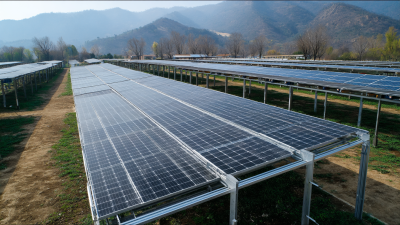
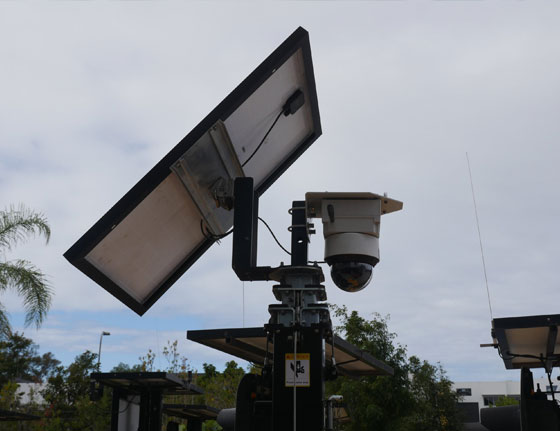
When selecting outdoor street lights, energy efficiency is paramount. Solar lighting options are becoming increasingly popular. They harness sunlight during the day, reducing electricity costs. These systems work best in areas with abundant sunlight. However, they may struggle in regions with long winter months. Assessing your location's sunlight availability can enhance efficiency.

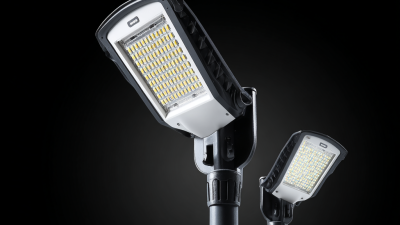
One essential tip is to consider LED fixtures. They consume less power and have a longer lifespan. This reduces maintenance and replacement costs. Look for lights with high lumen output and low wattage. This ensures bright illumination while saving energy. It's a good idea to balance brightness needs with energy consumption.

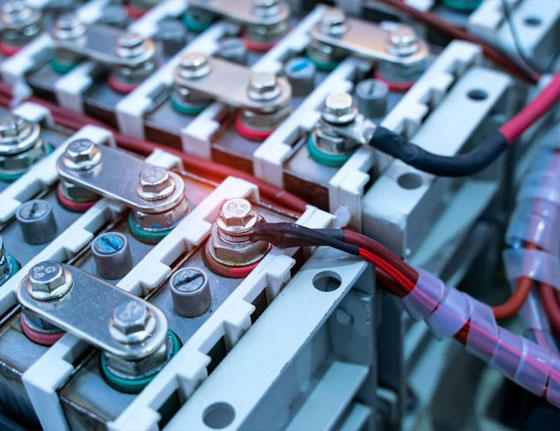
Another point worth considering is battery backup systems. During cloudy days or outages, batteries can provide necessary power. However, they also require periodic replacement. Ensure you choose a light with an efficient charge and discharge cycle. This will enhance reliability when you need it most. Engaging in this evaluation can lead to better decisions and brighter, safer outdoor spaces.

Considering Design and Aesthetics: Style Matching with Your Environment

When choosing outdoor street lights, design and aesthetics play a pivotal role. It's essential to ensure the lights complement the surrounding architecture and landscape. Think about the colors and materials. A rustic park might suit vintage-style lamps, while a modern plaza could benefit from sleek LED fixtures. Matching the light style with your environment enhances overall appeal.

Consider the environment where the lights will be placed. For coastal areas, weather-resistant materials are crucial. Lights should withstand salty winds and moisture. In urban settings, fixtures should blend with the city vibe. A well-chosen light can elevate the neighborhood's character.

Lighting should also consider functionality. It should offer enough brightness without being intrusive. Too much light can be harsh and uncomfortable. Aim for a balance where lights serve their purpose while enhancing the area's beauty. Take some time to reflect on how different styles affect mood and visibility.

Examining Durability and Weather Resistance for Long-Term Performance

When choosing outdoor street lights, durability and weather resistance are essential. These factors ensure long-term performance, especially in varying climates. A sturdy light fixture can withstand harsh winds, heavy rainfall, and freezing temperatures. Look for materials like aluminum or tempered glass, which resist corrosion and degradation over time.

Tip: Check the IP rating of your outdoor lights. An IP rating indicates how well the fixture protects against dust and moisture. An IP65 rating or higher is ideal for outdoor use. This rating guarantees protection from water jets and complete dust ingress.

Additionally, consider the warranty offered. A longer warranty often reflects the manufacturer’s confidence in the product. If a light only comes with a minimal warranty, it may signal potential durability concerns. Ensure lights have been rigorously tested for various weather conditions. Reading customer reviews can provide insights into the product's real-world durability and performance.

A minor flaw found in many lighting options is the potential for fading. Over time, certain materials may lose color or quality when exposed to sunlight. Always weigh your options carefully and seek lights that promise long-lasting beauty and functionality.