7 Tips for Choosing the Best Electric City Bike
Choosing an electric city bike is not simply a matter of comparing motor power and price. Daily comfort often decides whether the bike leaves your hallway or gathers dust there. A reliable choice should fit your streets, commute, body, and storage space. It should also match your confidence in traffic.
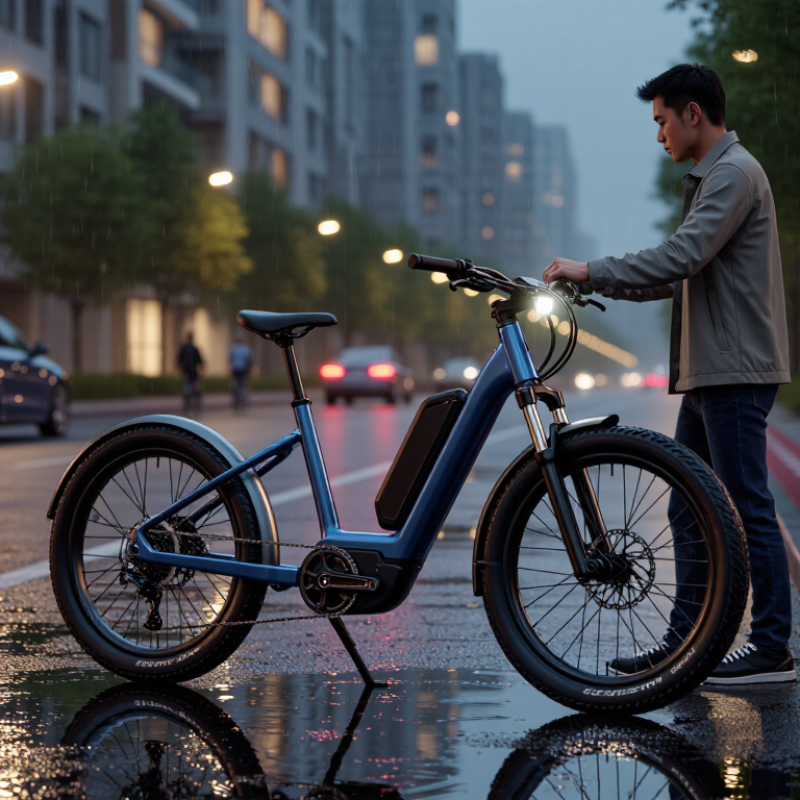
I have found that small details become important after several weeks. A bright integrated light helps during rainy evening rides. A removable battery may matter when your apartment has no charging outlet. A low step-through frame can make repeated stops feel safer and easier. Tire width, brake quality, saddle shape, and warranty support deserve equal attention. Manufacturer claims are useful, but real-world range can shrink in cold weather, strong wind, or hilly neighborhoods.
The seven tips in this guide focus on practical evidence rather than flashy specifications. They examine fit, battery capacity, motor assistance, braking, comfort, security, and long-term maintenance. Test rides remain valuable. Online reviews can reveal patterns, though some opinions are incomplete or overly enthusiastic. No single electric city bike suits every rider. That is worth remembering. A heavier model may feel stable, yet carrying it upstairs could quickly become frustrating. A lighter bike may handle better, but offer less range or fewer accessories. Careful comparison, clear questions for reputable sellers, and honest attention to your routine can lead to a more dependable purchase. Even experienced cyclists can overlook one inconvenient detail.
Define City E-Bike Classes: 250 W Motors and 25 km/h EU Limits
7 Tips for Choosing the Best Electric City Bike
Define City E-Bike Classes: 250 W Motors and 25 km/h EU Limits
A city e-bike should match local rules before it matches your style. In many EU markets, a standard pedal-assist bicycle uses a 250 W continuous-rated motor. Assistance normally stops at 25 km/h. These limits affect registration, insurance, helmet expectations, and where the bicycle may be ridden. Check your local authority, because class names and requirements can differ.
Look for seven practical details. Confirm the motor’s continuous rating, not only its peak output. Test how smoothly assistance starts near a junction. Examine battery capacity for your daily distance, hills, weather, and cargo. Choose hydraulic or well-adjusted mechanical brakes. Check frame size, saddle height, and handlebar reach. Inspect lights, reflectors, mudguards, and a secure stand. Finally, ask whether replacement parts and qualified servicing are available nearby.
Ride it slowly first. A powerful-feeling launch may become tiring in crowded streets. The 25 km/h cutoff can also feel abrupt, especially when carrying groceries. I would leave room for error when estimating range; cold temperatures and repeated climbs reduce it faster than expected. A heavier frame may feel stable, yet it can be awkward on stairs. That trade-off is easy to underestimate. Reliable records, clear technical labels, and a realistic test ride matter more than impressive advertising numbers.
7 Tips for Choosing the Best Electric City Bike — Define City E-Bike Classes: 250 W Motors and 25 km/h EU Limits
| Tip | What to Check | Useful Data or Benchmark | Why It Matters |
|---|---|---|---|
| 1. Confirm the EU EPAC specification | Check the motor’s maximum continuous rated power, pedal-assistance operation, and assistance cut-off speed. | For the EU EPAC category, maximum continuous rated power is 250 W. Assistance must stop when the rider stops pedaling and be cut off before or at 25 km/h. | These are key criteria for the ordinary pedal-assist cycle category excluded from EU type-approval rules. A higher-power or faster-assisting vehicle may fall into a different vehicle category with different requirements. |
| 2. Match the bike to your route | Consider route distance, hills, road surface, stop-start traffic, and whether you will carry passengers or cargo. | Compare bikes using the same route and assistance setting where possible. There is no single reliable range figure for every rider or journey. | Distance, rider and cargo weight, terrain, wind, tire pressure, temperature, and assistance level all affect energy use. |
| 3. Compare battery capacity, not range claims alone | Read the battery’s energy rating in watt-hours (Wh), and check whether it is removable and replaceable. | Battery energy in Wh is approximately voltage (V) multiplied by capacity (Ah). For example, 36 V × 10 Ah = 360 Wh. | Watt-hours provide a useful way to compare stored energy, but they do not guarantee a particular distance. Treat manufacturer range figures as estimates and review the stated test conditions. |
| 4. Choose a comfortable, practical frame | Test frame size, reach to the handlebar, saddle height, step-through access, riding position, and clearance when mounting. | Check that the saddle can be adjusted for your leg length and that you can reach the brakes comfortably from the grips. | A short test ride can reveal fit or handling issues that a specification sheet cannot. A lower step-over height may make frequent stops and mounting easier. |
| 5. Inspect brakes, tires, and lights | Check braking feel, tire width and condition, front and rear lights, reflectors, and the bike’s required road equipment. | EU road-equipment requirements and national traffic rules can vary by vehicle type and country. Check the rules where the bike will be used. | Reliable braking, visible lighting, and tires suited to your regular surfaces are important for everyday urban riding, especially in wet or low-light conditions. |
| 6. Verify load limits and carrying options | Review the permitted maximum system weight and the separate limits for the frame, rack, and child-seat fittings. | Maximum system weight generally includes the rider, bike, accessories, and carried cargo. Use the specific limits stated for the bike and rack. | A rack’s load limit does not necessarily equal the bike’s total permitted load. Confirm that bags, baskets, or a child seat are compatible with the frame and fittings. |
| 7. Check charging, service, and security | Ask about charger specifications, battery care instructions, replacement-part availability, service support, and secure parking options. | Approximate charging time depends on battery capacity and charger output; actual time also varies with charging conditions and battery-management limits. | Accessible servicing and a practical charging routine can matter as much as purchase specifications. Use the supplied or approved charger and follow the battery manufacturer’s instructions. |
Note: The 250 W and 25 km/h figures describe EU EPAC pedal-assistance criteria, not a universal definition of every electric bicycle. Local rules may apply to other vehicle categories and to riding, equipment, and use of walk-assist functions.