Blog

China Top Led Solar Lights Outdoor Suppliers for Buyers?

China has become a major sourcing base for Led Solar Lights Outdoor, supported by strong photovoltaic manufacturing and extensive lighting supply chains. The IEA PVPS Trends 2024 report recorded approximately 456 GW of new solar photovoltaic capacity worldwide in 2023. That growth strengthens access to panels, batteries, controllers, and LED components for outdoor lighting manufacturers.

The opportunity is real. So is the confusion.

The Global Off-Grid Solar Market Report 2024, published by GOGLA and Lighting Global, reported millions of off-grid solar products sold across emerging markets. However, these figures do not create a reliable ranking of Chinese outdoor lighting suppliers. Buyers still need practical verification. A factory may show a bright sample, but performance can change after several rainy weeks.

Experienced procurement teams should examine battery chemistry, panel wattage, lumen output, charging time, and operating hours. They should also request IP65 or higher protection evidence for wet locations. Relevant testing may include IEC 60598 requirements, EMC documentation, salt-spray results, and battery safety reports. A visible CE mark alone is not enough evidence.

Supplier visits can reveal useful details. Look for aging tests, automated assembly, sealed battery compartments, and traceable component records. Ask whether the advertised runtime was measured at full brightness, winter temperature, or ideal laboratory conditions. Many listings remain vague here.

This guide evaluates leading China-based Led Solar Lights Outdoor suppliers through product quality, customization, certifications, production capacity, communication, and after-sales reliability. “Top” should mean dependable under real installation conditions, not merely the lowest quotation. Some supplier claims may still require independent testing. That is an important limitation, and buyers should acknowledge it before signing a purchase contract.
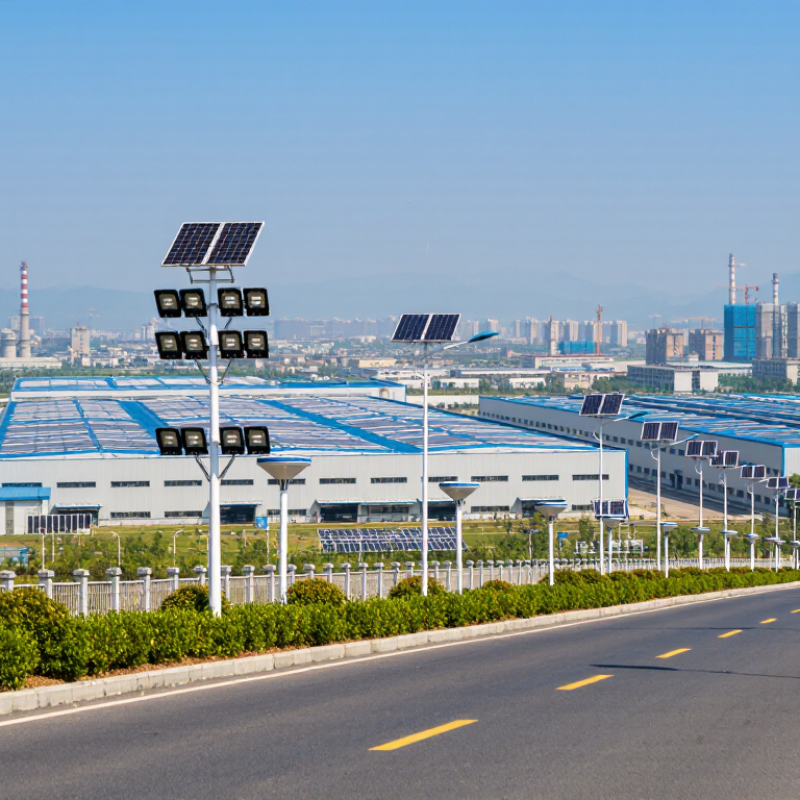
China Top Led Solar Lights Outdoor Suppliers for Buyers?

China’s Outdoor LED Solar Light Supplier Landscape

China’s outdoor LED solar light supplier landscape is shaped by strong photovoltaic manufacturing capacity and dense component networks.

According to the IEA PVPS Trends 2024 report, China added about 217 GW of solar capacity in 2023. This scale supports competitive access to panels, batteries, controllers, and LED modules.

For buyers, supplier selection should go beyond low quotations. Check battery chemistry, usable capacity, charging performance, and operating hours after several cloudy days.

IP ratings, salt-spray testing, thermal management, and photometric files also matter. The International Electrotechnical Commission provides relevant testing frameworks, while the International Dark-Sky Association highlights glare and light pollution concerns.

A reliable supplier should provide test records, production samples, and traceable quality controls.

The market is broad. Too broad, sometimes. Some factories assemble complete lamps, while others mainly integrate imported or outsourced components.

The Global Solar Power Tracker and public trade data show continued growth in solar manufacturing and equipment movement, but they do not confirm product durability.

Buyers should request pilot installations in real streets, not only laboratory images. Review pole spacing, winter charging, drainage, and maintenance access.

One overlooked detail can increase lifetime costs. Supplier claims still need independent verification.

Key Products and Technologies Offered by Chinese Suppliers

Chinese outdoor solar light suppliers offer more than basic lamps. Their product ranges often include all-in-one street lights, split solar systems, garden lights, floodlights, and pathway fixtures. Buyers can select aluminum housings, tempered glass panels, or compact polymer designs for different environments.

Many suppliers use monocrystalline solar panels, lithium iron phosphate batteries, and intelligent charge controllers. These systems can adjust brightness through timers, motion sensors, or remote settings. Some street lights provide adaptive dimming after midnight. Others support remote monitoring through wireless communication. IP65 or IP66 protection helps resist rain and dust, while IK-rated housings improve impact resistance. Performance still depends on sunlight, temperature, installation angle, and battery quality.

Experienced buyers should request sample units and complete test reports before placing large orders. Check battery capacity, panel output, lumen data, charging time, and working hours under realistic weather conditions. Factory audits, production records, and clear warranty terms also improve reliability. The weak point is often exaggerated runtime. A lamp claiming several cloudy nights may perform differently in winter. I would test it personally. Supplier engineers can also adjust LED power, mounting brackets, and lighting curves for roads, farms, parks, and remote areas. Each change should be confirmed through measured results, not only catalog figures.

How to Evaluate Supplier Quality, Certifications, and Reliability

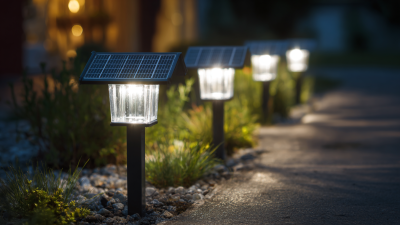
Choosing a solar light supplier requires more than comparing unit prices. Inspect the housing, panel, battery, controller, and LED module closely. A reliable supplier should explain lumen output, battery capacity, charging time, and expected nighttime performance. Ask for production samples, not only polished showroom units. Small details matter, such as sealed cable joints, corrosion-resistant screws, and consistent motion-sensor response.

Request current certificates and complete test reports. Depending on the destination market, relevant documents may include CE, RoHS, IEC, EMC, and IP testing. Check whether an accredited laboratory issued them, and confirm that the tested model matches the proposed product. An ISO 9001 certificate may show controlled processes, but it does not guarantee every shipment will perform well. Documents can age.

Test before scaling. Place samples outdoors for several weeks, including cloudy days and heavy rain. Measure illumination after midnight, when battery voltage has fallen. Ask the supplier about battery cycle testing, salt-spray results, temperature testing, and factory traceability. A 72-hour burn-in can reveal early failures, though it cannot predict every field problem. I have found that pilot orders expose weaknesses that sales calls often hide. Response speed also matters. Can the supplier provide replacement parts, clear warranty terms, and a named technical contact? No supplier is flawless, and buyers should record defects instead of quietly accepting them. Reliability grows through evidence, repeat inspections, and honest correction.

Pricing, Customization, and Minimum Order Considerations

When evaluating China-based LED solar light suppliers, buyers should separate the advertised unit price from the complete purchasing cost. A low quote may exclude packaging, sample fees, tooling, inspection, and shipping. Ask for a line-by-line quotation. Confirm the currency and trade terms.

Customization changes the calculation quickly. A buyer may request a specific light color, battery capacity, solar panel size, motion sensor, housing finish, or carton design. Each change can affect testing and production time. Logo printing is often simple, while a new housing mold may require a substantial tooling charge. Request a physical sample before approving mass production. It can reveal weak hinges, uneven coating, or confusing installation instructions.

Minimum order quantities vary by product and customization level. Stock designs may accept smaller orders, while private molds usually require higher volumes. Do not assume a stated MOQ covers every option. Ask whether color, packaging, and battery variations have separate minimums. A practical negotiation may combine several finishes within one order, but this is not always accepted. Get the agreement in writing.

Reliable sourcing also requires evidence beyond a polished catalog. Review sample performance during cloudy days and nighttime operation. Check lighting duration, charging behavior, waterproofing claims, and battery replacement access. Independent inspection can compare delivered units with the approved sample. Buyers sometimes choose the cheapest offer too early. That mistake is easy to repeat, especially when freight and rejected units appear later.

China Top LED Solar Lights Outdoor Suppliers for Buyers? – Pricing, Customization, and Minimum Order Considerations
Outdoor Solar Light Category Typical LED Power Typical Solar Panel Common Battery Configuration Indicative FOB Price Range per Unit Typical MOQ for Standard Models Customization Options Typical Production Lead Time Important Buyer Checks
Solar Garden and Pathway Light 0.5–5 W 0.5–3 W, usually integrated into the light head Ni-MH or Li-ion, commonly 600–2,000 mAh US$2–12 100–500 units Housing color Stake length Packaging Light color 15–30 days for standard orders Confirm lumen output, automatic dusk-to-dawn operation, battery replacement method, and water-resistance construction.
Solar Wall and Security Light 3–20 W 1–8 W, integrated or separated panel Li-ion or LiFePO4, commonly 1,200–6,000 mAh US$6–25 100–300 units Motion sensor Remote control PIR sensitivity Logo packaging 20–35 days for standard orders Check sensor detection angle, detection distance, standby mode, charging time, and battery protection circuit.
Solar Floodlight 10–100 W 5–40 W, normally separated from the lamp body LiFePO4 or lithium-ion, commonly 4–30 Ah US$18–75 100–300 units Beam angle Cable length Remote control Mounting bracket 25–40 days for standard orders Request photometric data, battery capacity test results, panel-to-battery sizing, and actual continuous operating time.
All-in-One Solar Street Light 20–120 W 15–80 W, typically mounted on the lamp body LiFePO4, commonly 10–60 Ah US$45–180 50–200 units Pole diameter Lighting profile Motion dimming Control system 30–50 days for standard orders Verify pole-top compatibility, effective illumination area, autonomy days, thermal management, and controller settings.
Split-Type Solar Street Light 30–200 W 30–150 W, installed separately from the luminaire LiFePO4 or lithium-ion, commonly 20–120 Ah US$70–280 30–100 units Panel size Battery enclosure Pole bracket Dimming schedule 35–60 days for standard orders Check cable specifications, battery enclosure ventilation, panel mounting angle, wind-load requirements, and installation drawings.
Solar Bollard Light 2–15 W 2–10 W Li-ion or LiFePO4, commonly 2–12 Ah US$18–85 50–200 units Height Diffuser Color temperature Base plate 25–45 days for standard orders Confirm anchoring method, impact resistance, drainage design, corrosion protection, and light distribution.
Solar Road Stud and Marker Light 0.1–1 W 0.1–0.5 W Rechargeable Ni-MH or lithium battery US$1.50–10 500–2,000 units LED color Reflector type Housing material Road-load rating 20–35 days for standard orders Check load-bearing capacity, anti-skid surface, sealing quality, charging performance, and applicable road-safety requirements.
Solar Decorative String Light 0.5–5 W total 0.5–3 W Ni-MH or lithium battery, commonly 600–2,000 mAh US$3–20 200–1,000 units String length LED spacing Flashing modes Color temperature 20–35 days for standard orders Confirm total operating hours, wire insulation, connector sealing, solar-panel placement, and packaging drop-test performance.
Buyer planning note: The prices, MOQs, and lead times above are indicative sourcing ranges for standard outdoor solar LED products and are not supplier quotations. Actual costs vary according to LED efficiency, battery chemistry and capacity, solar-panel wattage, enclosure material, certification requirements, packaging, order volume, Incoterms, and destination. For a reliable comparison, request the same specification sheet, lumen test report, battery capacity data, IP rating evidence, warranty terms, sample, and pre-shipment inspection procedure from each prospective supplier.

Steps for Selecting and Purchasing from the Right Supplier

Choosing a reliable Chinese supplier for outdoor LED solar lights requires more than comparing prices. Define the project first: lighting area, working hours, pole height, weather conditions, and expected brightness. Ask suppliers for complete specifications, including LED power, battery chemistry, solar panel output, charging time, IP rating, and operating temperature. Request product samples before placing a large order. A sample often reveals weak hinges, uneven light, or unclear instructions.

Check the supplier’s factory experience, production capacity, quality-control process, and export documentation. Review test reports carefully, not only the certificates shown in a sales presentation. Confirm minimum order quantity, lead time, packaging design, spare parts, warranty terms, and after-sales response time in writing. A video factory tour helps, but an independent inspection is more dependable. It may cost extra. That cost can prevent larger losses.

Tips:
Compare the same specifications, not just unit prices. Ask how the light performs after several cloudy days. Confirm whether the battery is replaceable and whether the controller has protection against overcharging. Clarify payment milestones and inspection rights before production begins. Keep every promise in the purchase contract. A cheap offer may hide thinner materials or shorter battery life. I used to treat a low quote as proof of efficiency; that was a mistake. Recheck the details. Supplier selection is practical, and even experienced buyers can overlook small technical differences.

China Top LED Solar Lights Outdoor Suppliers for Buyers

Steps for Selecting and Purchasing from the Right Supplier

This buyer evaluation model uses a 100-point procurement score. Product quality and reliability receive the highest weighting, followed by total cost, certifications, customization capability, delivery performance, and after-sales support. Buyers can adjust these weights according to project size, installation environment, and local compliance requirements.