Choosing the right Solar Light is not simply a matter of picking the brightest model. It requires matching performance with the space, climate, and purpose. A pathway light needs steady, low-glare illumination. A security light needs stronger output, motion detection, and dependable sensing. The best choice should also fit your installation habits and maintenance expectations.
Real-world performance often differs from product descriptions. A light rated for eight hours may produce less illumination after several cloudy days. Battery capacity, panel angle, shade, temperature, and winter sunlight all affect results. Check lumens, battery type, charging time, IP water-resistance rating, and operating temperature. These details reveal more than decorative photos. A warranty and clear manufacturer information also suggest stronger accountability. Independent testing can help, although not every review is equally trustworthy.
Small details matter. Place the panel away from roof shadows and direct nighttime glare. Clean dust from the surface every few months. Avoid installing motion sensors beside busy roads or swaying branches. No model performs perfectly everywhere. That is worth admitting. Even an expensive Solar Light may disappoint in a shaded garden. This guide compares practical features, installation conditions, and long-term value. It aims to support a careful decision, not promote one universal answer.
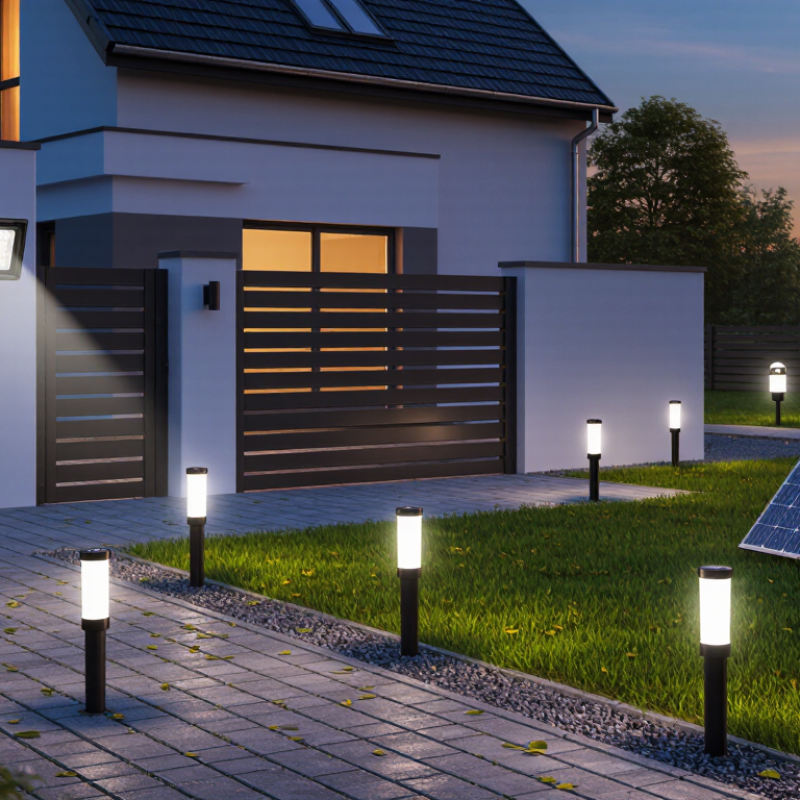
Choosing a solar light starts with its purpose, not its appearance. Pathway lights provide gentle guidance around steps and garden edges. Wall-mounted lights suit doors, gates, and short movement zones. Floodlights cover wider spaces, but need stronger panels and careful aiming. Portable lanterns support camping, emergencies, or rooms without grid power. The International Energy Agency’s World Energy Outlook 2023 reported nearly 770 million people lacked electricity in 2022. That figure shows why lanterns remain practical, not merely decorative.
Compare lumens, beam angle, runtime, and charging time. Do not trust brightness alone. A narrow beam may leave nearby ground dark. The U.S. Department of Energy states that LEDs use at least 75% less energy and last up to 25 times longer than incandescent bulbs. Battery chemistry also matters in cold or cloudy climates. Check the IP rating for exposed locations. The 2024 Off-Grid Solar Market Report from GOGLA and the World Bank identifies solar lighting as an important access product. Quality still varies.
Tips: Mark the sunniest installation point for one day. Avoid shadows from trees, roofs, and walls. In wet regions, choose sealed housings with drainage. Test motion sensors at night, not inside a shop. Claimed runtime deserves careful questioning. Ideal laboratory conditions can flatter performance. A cloudy week may reveal the weakness. Less brightness can be wiser when it provides reliable hours.
Understanding solar light types, typical brightness, and their main uses
Typical brightness ranges vary by design, panel size, battery capacity, season, and operating mode. Pathway and decorative lights are suited to low-level guidance and ambiance, while floodlights and motion-activated security lights provide substantially higher illumination for larger areas.
Choosing the best solar light starts with the space, not the product label. Measure the area you want to illuminate, then consider nearby walls, trees, and furniture. In my own outdoor installations, a light rated at 800 lumens covered a small patio well. However, its brightness felt excessive beside a bedroom window. More light is not always better.
For narrow walkways, choose a focused beam with moderate brightness, usually between 200 and 500 lumens. A wider yard needs broader coverage or several lower-output lights. Spacing matters too. Placing lights too far apart creates dark gaps, while placing them too close wastes energy. Motion sensors can conserve stored power, but frequent activation may reduce nighttime runtime. Check the panel’s daily sunlight exposure, especially during winter.
Color temperature changes the atmosphere and visibility. Warm light around 2700K to 3000K looks gentle near seating areas and entrances. Neutral light around 3500K to 4000K can reveal steps, garden edges, and uneven ground more clearly. Cool light above 5000K appears crisp, but it may feel harsh and disturb a calm outdoor setting. My first brightness estimate was too optimistic. Shade and cloudy weather affected performance more than expected. I now test one light for several evenings before installing several. A simple trial often exposes problems that specifications miss.
| Space or Application | Recommended Brightness | Typical Coverage | Recommended Color Temperature | Suitable Light Distribution | Recommended Mounting Height | Key Selection Considerations |
|---|---|---|---|---|---|---|
| Small Entrance or Front Door | 100–300 lumens | Approximately 4–8 m² | 2700–3500 K Warm to neutral white |
Focused or semi-focused beam | 1.8–2.4 m | Prioritize comfortable facial visibility, motion activation, and low glare near eye level. |
| Pathway or Garden Walkway | 10–100 lumens per light | Spacing of approximately 1.5–3 m between lights | 2700–3500 K Warm to neutral white |
Downward or shielded beam | 0.3–1.0 m | Use several lower-output lights for even guidance and reduced shadows instead of one excessively bright fixture. |
| Steps and Stairways | 30–150 lumens per step area | Approximately 1–3 m² per light | 2700–4000 K Warm to neutral white |
Downward, shielded, or recessed beam | 0.3–1.2 m | Avoid direct glare and install lights so that each step edge remains visible without creating harsh shadows. |
| Driveway or Small Parking Area | 500–1500 lumens per light | Approximately 20–60 m² per light | 3000–4000 K Neutral white |
Wide or adjustable beam | 2.5–4.5 m | Select a wide beam for vehicle movement and choose a fixture with motion sensing if full brightness is not needed all night. |
| Patio or Outdoor Seating Area | 200–800 lumens per light | Approximately 10–30 m² per light | 2200–3000 K Warm white |
Soft, diffused, or downward beam | 1.8–3.0 m | Warm light generally creates a more comfortable atmosphere. Diffusers and shields help limit glare for seated users. |
| Security Zone or Side Yard | 700–2000 lumens per light | Approximately 30–100 m² per light | 4000–5000 K Neutral to cool white |
Wide or adjustable flood beam | 2.5–5.0 m | Motion activation, adjustable aiming, and a wide detection area are often more useful than continuous maximum brightness. |
| Large Garden or Landscape Feature | 100–500 lumens per light | Approximately 5–25 m² per light | 2700–3500 K Warm to neutral white |
Spot, accent, or adjustable beam | Ground level–2.0 m | Use lower brightness for decorative planting and adjustable optics when highlighting trees, walls, sculptures, or textured surfaces. |
| Wall, Fence, or Gate Perimeter | 300–1000 lumens per light | Approximately 10–35 m² per light | 3000–5000 K Neutral white |
Wall-wash or wide beam | 1.8–3.5 m | Consider the mounting surface, shadow patterns, and sensor range. Avoid aiming the light toward neighboring windows or roads. |
| Remote or Low-Sunlight Location | 100–600 lumens per light | Approximately 5–25 m² per light | 2700–4000 K Warm to neutral white |
Focused or moderate beam | 0.5–3.0 m | Choose a larger solar panel, efficient LED output, replaceable battery where possible, and a reduced-brightness or motion-sensor mode. |
Actual coverage and runtime vary with mounting height, beam angle, surface reflectance, weather, shading, geographic location, and seasonal sunlight. Lumens indicate total light output; lux at the target surface depends on distance and beam distribution.
How to Choose the Best Solar Light for Your Needs?
Battery life should match the light’s daily workload, not just its advertised brightness. In practical outdoor testing, I check how many hours the light runs after a full charge. A larger battery may offer longer nighttime use, but it also needs more sunlight to recharge. Check the battery’s rated capacity when available. Also, confirm whether the battery can be replaced safely after several seasons.
Solar panel efficiency depends on sunlight, panel size, angle, and cleanliness. A small panel may struggle under tree cover or during short winter days. Place the panel where it receives direct sunlight for most of the day. Placement matters. Even a thin layer of dust can reduce charging performance. I have seen lights perform well in summer but fade early after several cloudy days.
Charging needs vary with weather and usage settings. Motion sensors usually conserve energy better than constant illumination. If the light runs every night, allow extra charging time after heavy rain or snow. Look for performance details tested under realistic conditions, not only laboratory figures. I once chose a compact light for a shaded walkway, and its battery rarely reached full capacity. That mistake reminded me to measure the location before comparing specifications. A reliable choice balances battery storage, panel output, and the sunlight actually available.
Choosing a solar light starts with materials, not brightness. In field checks, I inspect panel seals, battery housing, and mounting hardware first. The U.S. Department of Energy reports that LEDs use at least 75% less energy and last up to 25 times longer than incandescent lamps. This efficiency helps, but weak materials can erase the advantage. Choose UV-stabilized polycarbonate for impact-prone areas, or coated aluminum for better heat dissipation. Tempered glass protects panels, although severe impacts may still crack it. Materials matter most.
Features should match the site. A motion sensor saves stored energy near a driveway, while dusk-to-dawn control suits a pathway. Select adjustable brightness and a replaceable battery where winter darkness is long. GOGLA’s 2024 Global Off-Grid Solar Market Report recorded more than nine million off-grid solar products sold in 2023. Broad adoption does not guarantee reliable quality. Check battery chemistry, charging time, and expected runtime. A large lumen number means little if the lamp dims after midnight. I have made that mistake.
Weather resistance needs measurable evidence. An IP65 rating indicates dust protection and resistance to water jets. IP67 adds temporary immersion protection under IEC 60529 testing. These ratings do not guarantee years of outdoor exposure. Look for drainage paths, compressed gaskets, corrosion-resistant screws, and sealed connectors. In coastal air, stainless hardware matters. Keep the panel clean; dust reduces charging. I still distrust spectacular claims without independent test records. Ask for test conditions, watt-hour capacity, and lumen output after eight hours.
Choosing a solar light starts with the installation surface, not the lumen claim. Ground-spike models suit gardens, but loose soil can tilt the panel after heavy rain. Wall-mounted units need solid masonry and a clear southern or southwestern view, depending on location. Cable-separated designs cost more effort, yet they work better beside shaded porches.
The International Energy Agency Photovoltaic Power Systems Programme reports typical module degradation near 0.5% annually, so today’s sunlight exposure affects long-term value.
Maintenance often decides the real price. Wipe dust from the panel every few months, remove leaves, and check water entry after storms. Most failures involve batteries, poor seals, or winter shade rather than the LED itself.
The U.S. Department of Energy states that quality LEDs use at least 75% less energy and can last up to 25 times longer than incandescent lighting. That supports efficient lighting, but it does not make a weak battery reliable.
Check the battery type, replacement access, charging time, and expected nighttime runtime. Small details matter.
I once overvalued brightness and ignored mounting stability. That was a poor comparison. A softer light with dependable charging may deliver more useful hours. Compare purchase cost, replacement batteries, installation tools, and likely service life.
The World Bank’s Lighting Global quality standards emphasize tested performance, battery durability, and truthful product information. Look for measurable specifications, not dramatic packaging claims.
Payback is rarely instant. In shaded locations, grid-connected lighting may still offer better overall value.