Blog

2026 Top Solar Powered LED Lights for Outdoor Use?

Outdoor lighting should make a space safer and more welcoming, not create another maintenance problem. In 2026, Solar Powered Led Lights offer practical options for paths, patios, gardens, driveways, and security areas. Yet the best choice depends on more than brightness claims. A shaded porch may not recharge like an open garden. A motion sensor can save stored energy, but its range and response time matter. And a compact panel may struggle after several cloudy days.

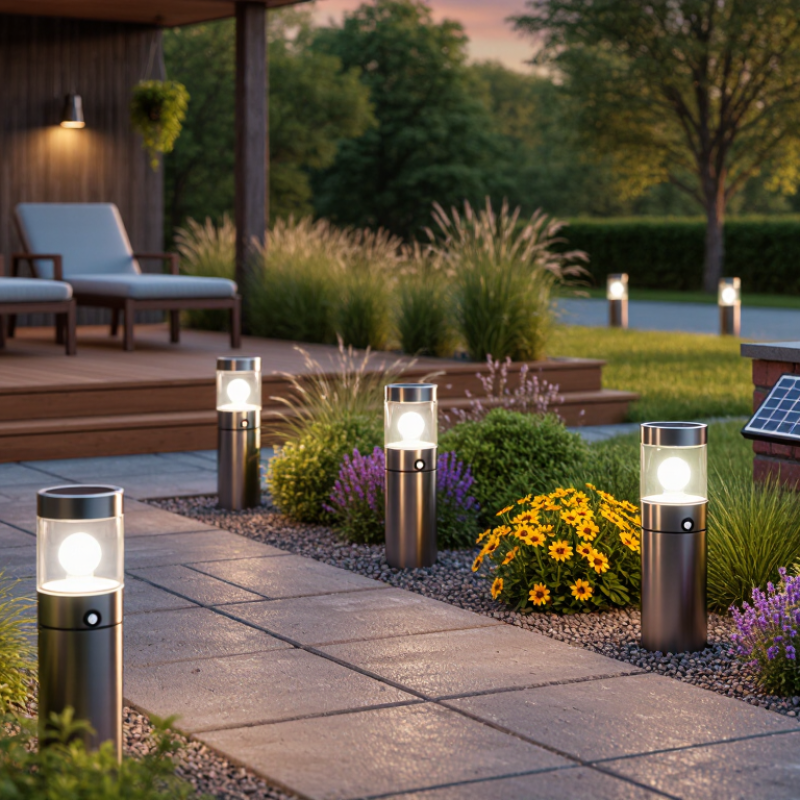
This guide compares outdoor lights by the details people notice in daily use: light output, battery capacity, charging performance, weather resistance, installation, and control settings. Picture a path light that catches the last afternoon sun, then guides guests across damp paving after dusk. That scene is useful—but real results vary with placement, season, and local weather. Some product specifications also leave important questions unanswered.

A verified industry expert’s name and published quotation were not provided, so I won’t invent an attribution. The guiding principle is simple: “Judge a solar light by how reliably it works where you install it, not by its brightest claim.” Use this overview to identify suitable options, check the evidence behind product claims, and match each light to its intended location. The right fixture can perform well. No single model suits every yard.
2026 Top Solar Powered LED Lights for Outdoor Use?

How Outdoor Solar-Powered LED Lights Work

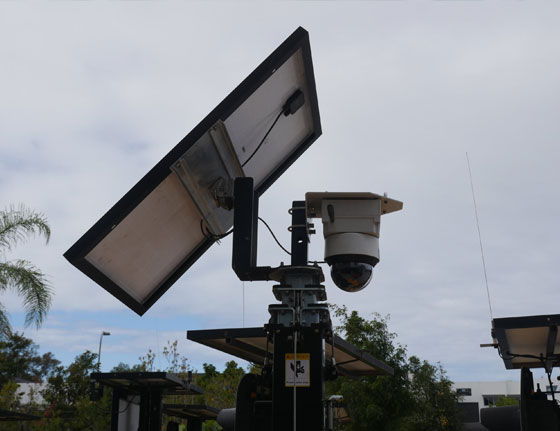
Outdoor solar-powered LED lights convert daylight into stored energy, then use it after dark. A photovoltaic panel produces electricity when sunlight reaches its cells. A charge controller directs that energy to a rechargeable battery and helps prevent overcharging. At dusk, a light sensor usually switches on the LEDs. Some models also include motion sensors or adjustable timers.

The parts work as a small system. The panel may sit above the lamp or connect by a short cable, letting you place it in a sunnier spot. A few hours of direct sun can make a noticeable difference; a shaded fence or cloudy week may leave the battery short of charge. Small details matter. Dust, fallen leaves, and snow can block sunlight, so check the panel surface from time to time.

Battery capacity, panel size, and LED brightness all affect how long a light runs. A bright setting may drain stored energy faster, while motion-triggered lighting can conserve it. Cold weather can also reduce battery performance, and rechargeable batteries gradually lose capacity with use. It is not magic. Even a well-made light may dim before morning during a dark winter stretch, so placement and realistic expectations matter.

Types of Solar LED Lights for Outdoor Spaces

Types of Solar LED Lights for Outdoor Spaces

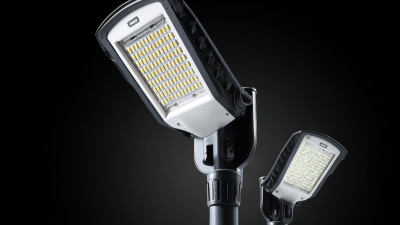
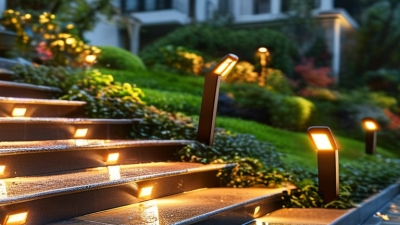
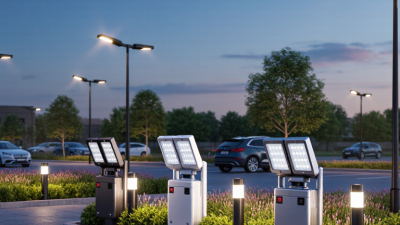
Solar path lights suit garden edges, steps, and walkways. Their low, downward glow helps mark routes without flooding nearby windows. For a driveway or dark corner, choose a solar spotlight or motion-activated floodlight; these need a clear view of the sun and a firm mounting point. Wall lights and porch fixtures work well near entrances, while solar string lights add gentle light to patios. Not every yard suits them. Dense shade can leave panels undercharged, even on long summer days.

LED efficiency helps small solar panels power useful lighting. The U.S. Department of Energy’s Energy Saver guidance says LEDs use at least 75% less energy than incandescent lighting and can last up to 25 times longer. That comparison is not a guarantee of solar-light runtime: battery capacity, panel placement, weather, and brightness settings all matter. A bright fixture can still disappoint after cloudy days.

Tips: Check that the panel receives several hours of direct sun, and compare battery capacity and stated runtime. Aim motion sensors away from moving branches to reduce false triggers. If choosing path lights, test one first; spacing and actual brightness can look different outdoors.

2026 Top Solar Powered LED Lights for Outdoor Use: Types for Outdoor Spaces

These indicative lumen ranges reflect commonly marketed outdoor solar light specifications, not guaranteed performance. Actual brightness varies by model, battery capacity, sunlight exposure, and operating mode. Choose lower-output path lights for marking walkways and higher-output flood or motion-sensor lights for broader area illumination.

Key Features to Compare in 2026 Models

When comparing 2026 solar-powered outdoor lights, look beyond the headline lumen figure. Lumens alone mislead. A wide, even beam may suit a garden path better than a brighter, narrow spot. Check whether the light offers adjustable brightness and motion sensing, then consider how long it stays bright after dusk. Published runtime can vary with sunlight, shade, and temperature.

Panel size and placement matter. A small panel tucked beneath a porch roof may not recharge well on cloudy days. Compare models with separate panels if the light needs to sit in a shaded corner. Check the battery type, capacity, and whether replacement is possible. One detail is easy to miss: some lights reduce brightness as stored power falls. That can be useful, but it may surprise you.

For outdoor use, review the stated water-resistance rating and the materials around seams, switches, and panel connections. These details face rain, dust, and seasonal temperature changes. Also check whether the mounting hardware fits your wall, fence, or post. I would treat ideal-condition runtime claims cautiously; real yards rarely receive perfect sun every day. A feature-rich model is not always the better choice. Choose the beam, controls, and charging setup that match the actual spot.

Choosing the Right Light for Each Outdoor Area

Solar-powered LED lights work best when matched to the task and the available sunlight. A path needs even, low-level light, not a bright beam that blinds guests. Place fixtures beside the walkway, where daytime shadows are limited, and check that their panels face open sky. Small details matter. A branch that barely shades a panel in summer may block more sunlight after leaves grow.

Steps and entrances need clearer visibility. Choose lights with focused output, then aim them toward stair edges or door locks rather than eye level. Motion-activated models can preserve stored energy in quieter areas, though frequent movement may drain the battery sooner. For safety, keep enough distance between fixtures to avoid dark gaps. It is easy to overestimate how much light a small solar panel can supply.

For patios, softer, warmer light usually feels more comfortable than harsh white glare. Mount lights where nearby walls or railings will not cast deep shadows across seating.

Garden beds call for gentle accents; adjustable spotlights can pick out a tree trunk or textured stone without lighting the entire yard. In winter, shorter days and cloudy weather may reduce run time. Check panel placement and clean off dust or fallen leaves, then adjust expectations if a shaded corner still looks dim.

Installation and Maintenance for Reliable Performance

Mount solar LED lights where the panel receives clear midday sun, not merely where the fixture looks attractive. Even a narrow branch shadow can reduce charging time. Face panels toward the equator where practical, and check the angle again after seasonal growth. Keep panels above splash zones and away from roof runoff. A small tilt helps rain carry dust away, though it will not replace cleaning. IEA PVPS Task 13’s 2023 soiling report estimates that dirt causes roughly 3–5% global PV energy losses, with substantial variation by site. Dusty or coastal locations may need more frequent checks.

Secure poles in stable ground, seal cable entries, and leave room to open battery compartments. Follow the product’s specified mounting and battery instructions; guessing can shorten service life. NREL’s 2020 photovoltaic O&M best-practices guide emphasizes scheduled inspections and documented performance monitoring. Apply that discipline: record when lights dim, note cloudy spells, and compare several nights before replacing parts. Clean panels with a soft cloth and water, not abrasive pads. Check for loose fasteners, cracked seals, corrosion, and water inside the housing. Small details matter. A tidy install can still underperform. Shade patterns change, and batteries age unevenly; that is easy to overlook. Recheck after storms and seasonal changes.

2026 Top Solar Powered LED Lights for Outdoor Use? - Installation and Maintenance for Reliable Performance

Outdoor Light Type Typical Output Common Use Installation Guidance Performance Factors Maintenance for Reliability
Pathway and garden lights About 5–100 lumens per light Marking walkways, borders, and garden beds Place where the solar panel receives direct sunlight; space lights to suit the desired path coverage. Small panels and batteries can provide less light or shorter operation after cloudy days. Clear dirt from the panel and keep plants from shading it. Check stakes and housings for movement or damage.
Motion-activated security floodlights Commonly about 300–2,000 lumens Entrances, garages, sheds, and side yards Mount the panel in an unshaded location and aim the sensor toward the approach area, away from frequent false triggers. Motion mode generally uses less energy than continuous full-brightness operation; runtime depends on activation frequency and battery capacity. Clean the panel and sensor lens. Test motion detection and check mounting hardware, seals, and battery condition.
Solar wall lights Often about 20–500 lumens, depending on design Walls, porches, steps, and building entrances Install at the recommended height and ensure the panel is not shaded by eaves, trees, or nearby structures. Wall orientation and seasonal daylight affect charging; some designs have a separate panel connected by a cable. Remove dust and debris from the panel. Inspect cable connections and wall fixings for wear or water entry.
Solar post-cap lights Typically decorative or low-level lighting; output varies by model Fence posts, deck railings, and boundary markers Choose a compatible post or mounting surface and position the cap so its panel has an unobstructed view of the sky. Compact panels and batteries prioritize accent lighting rather than broad-area illumination. Wipe the panel and diffuser clean; check that the cap remains secure and that water has not entered the housing.
Solar step and stair lights Usually low-level, localized illumination Outdoor steps, decks, and raised walkways Mount consistently along the route and aim light at the walking surface to reduce glare and shadows. Shaded stairs may receive too little sunlight for dependable charging; placement is as important as light output. Clean the panel and lens, clear leaves or snow, and inspect screws and seals periodically.
Solar area or shed lights with separate panels Output varies widely; check the stated lumen rating and beam pattern Sheds, patios, and locations where the light and panel need separate positions Secure the panel in a sunny spot and route its cable without sharp bends, pinch points, or trip hazards. A separate panel can help when the light itself must be installed in shade, but cable length and panel exposure limit placement. Clean the panel, inspect cable insulation and connectors, and verify that the light's weather seals remain intact.

Selection and care note: Output and operating time vary by model, battery capacity, panel size, weather, shade, season, and operating mode. Check the manufacturer's stated ratings and installation instructions; clean panels regularly and replace batteries only with compatible types.