A Light Tower can turn a dark work zone into a usable workspace, but choosing one involves more than comparing lumen ratings. Contractors must weigh the work area, mounting height, runtime, fuel or battery needs, noise, and how easily crews can reposition the unit. A tower that looks powerful on a specification sheet may still leave shadows behind stacked materials or glare across an access road.
The need for dependable visibility is clear. The U.S. Bureau of Labor Statistics recorded 1,075 fatal work injuries in the construction sector in 2023. That figure does not show that lighting alone prevents incidents, but it underscores why visibility deserves careful planning. OSHA’s construction lighting standard specifies minimum illumination levels for different work areas, including five foot-candles for general construction areas. Site conditions still matter: dust, rain, equipment movement, and changing task locations can alter what workers can see.
Lighting researcher Dr. Mariana Figueiro’s work focuses on how light affects people and their environments. A practical, expert-informed principle for site selection is: “Choose for even coverage, not brightness alone.” This is an editorial summary, not a verbatim quotation from Dr. Figueiro. The guide to the 10 best Light Tower options compares real-world factors, from light distribution and mast setup to operating costs and serviceability. No tower is ideal for every site. A careful match can make the night shift clearer and easier to manage.
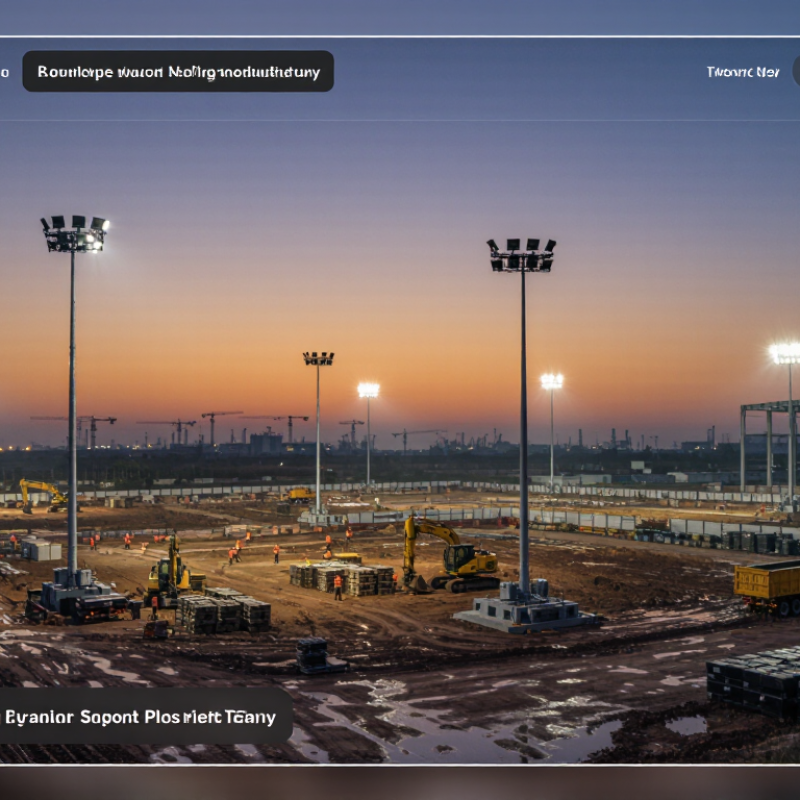
On a construction site, poor visibility can hide uneven ground, trailing cables, and moving equipment. The Bureau of Labor Statistics recorded 1,069 fatal work injuries in construction in 2022, across all causes; the figure does not isolate lighting-related incidents. Still, it underscores why hazards deserve careful attention. OSHA’s construction illumination standard, 29 CFR 1926.56, specifies at least 5 foot-candles for general construction areas. That is a minimum, not a guarantee of safe visibility. Small details matter.
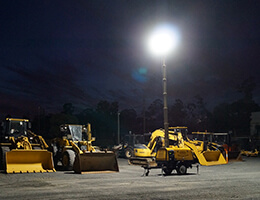
A well-positioned light tower can brighten access routes, loading areas, and active work zones without leaving deep shadows behind machinery. Aim fixtures away from drivers’ eyes, and check that light reaches the ground where workers actually walk. As crews move, the best placement may change. A quick evening walk-through can reveal dark corners that look fine on a site plan. It is easy to overlook glare.
Light towers also help crews keep working during early starts, late shifts, and winter afternoons. LED fixtures can reduce servicing interruptions: the U.S. Department of Energy reports that LEDs use at least 75% less energy and last up to 25 times longer than incandescent lighting. Actual savings depend on the equipment and operating conditions. A practical plan should consider runtime, fuel or power access, weather, and maintenance—not brightness alone.
When comparing light towers for construction sites, start with the work area, not the largest lumen figure. Light output matters, but beam spread and uniformity determine whether crews can see ground hazards without harsh glare. Check the stated coverage area and compare it with your site layout. A tall mast can cast light farther, yet nearby shadows may remain. Look for adjustable fixtures that aim toward work zones, access paths, and equipment.
Tips: Visit the site after dark. Note where shadows fall, then test the tower in those locations. A quick visual check can reveal what a specification sheet misses.
Compare power options, runtime, and refueling needs against the length of each shift. A generator-powered unit may suit remote work, while electric or battery systems can reduce onsite noise. Actual runtime changes with load and weather, so avoid relying on ideal figures alone. Check mast deployment, transport dimensions, stability, and weather protection. Ask how often filters, lamps, or batteries need attention. Maintenance is easy to underestimate. Consider whether operators can use the controls safely with gloves, too; that small detail can matter on a cold, muddy evening.
Light towers serve different needs across a construction site. Towable diesel units suit roadwork and large earthmoving projects, where crews need bright coverage far from power outlets. Their wheels make repositioning easier, though soft ground can slow setup. For indoor work or sites near reliable power, electric towers avoid onsite fuel storage and can run more quietly. Check cable routes carefully; a bright work area is not useful if cords create trip hazards.
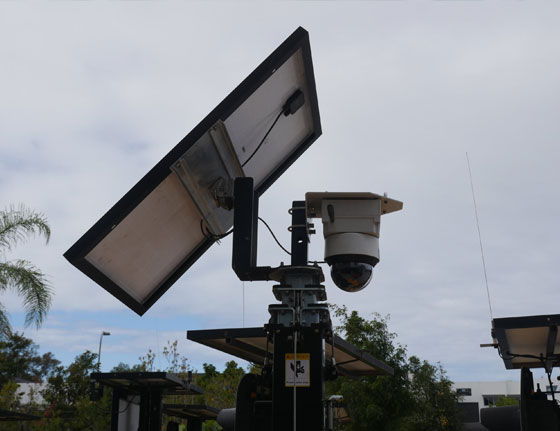
Compact battery or solar towers work well for short tasks, small crews, and locations where low noise matters. Balloon-style towers spread softer, more even light, which can help around detailed finishing work. Their broad glow is less suited to reaching distant corners. Match the light tower to the task, work hours, and ground conditions. A unit that looks adequate at dusk may leave shadows behind a machine.
Tips: Walk the area after dark and check for glare, dark patches, and blocked access. Aim lights away from drivers’ eyes. Keep the mast stable on firm, level ground, and lower it before moving the unit. Small positioning changes matter. Recheck after equipment shifts, since the best setup rarely stays perfect all night.
Ten standout light towers for construction sites include LED electric, hybrid, battery-powered, solar-assisted, diesel-powered, compact towable, trailer-mounted, telescoping-mast, balloon-diffuser, and multi-directional-head units. Each suits a different job. A compact battery tower can light a small indoor work area quietly, while a trailer-mounted unit can cover a broad, changing site. Balloon diffusers soften harsh shadows around concrete finishing or inspection work.
Light output matters, but so do runtime, glare, noise, and setup. The U.S. Department of Energy’s LED Lighting guidance reports that LEDs use at least 75 percent less energy and can last up to 25 times longer than incandescent lighting. That comparison supports LED selection, though it does not predict a tower’s actual runtime or maintenance needs. Check the manufacturer’s rated output and battery capacity, then compare them with the work area and planned shift length.
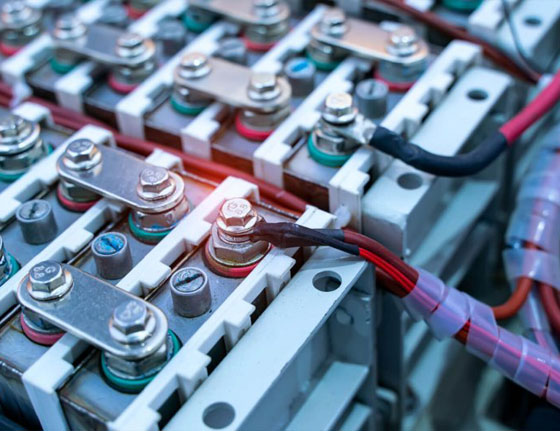
Consider ground conditions before choosing a mast or trailer. Uneven gravel, tight access, and overhead obstructions can make a tall tower awkward to position. Hybrid units offer flexibility, but their charging and fuel needs add moving parts. Battery units are quieter. They still need disciplined charging. One practical detail is easy to miss: aim fixtures away from drivers and neighboring crews, then reassess after equipment moves. An estimate can be wrong. A quick dusk check often reveals dark patches that daytime planning misses.
Choosing a light tower starts with the work, not the brightest figure on a product sheet. Measure the area that needs illumination, then note the tasks: broad earthmoving, close inspection, or traffic around a work zone. A tall mast can spread light farther, while adjustable heads help direct beams onto specific surfaces. Watch for harsh shadows near excavators and stacked materials. Walk the site at dusk if possible.
Runtime matters when crews work through the night. Compare expected operating hours with fuel capacity or battery endurance, and allow a margin for cold weather and delays. Check how quickly the unit can be refueled or recharged. A tower that needs frequent attention may interrupt work. That matters.
Match mobility to the ground and schedule. A towable unit may suit a large, changing site, while a compact model can fit tighter access routes. Check footprint, leveling requirements, controls, and service access before choosing. Consider noise near occupied buildings, too. A practical mistake is focusing only on coverage; operators also need safe, clear routes around the equipment. Recheck the plan as the site changes. It will.
| Rank | Configuration | Best For | Light Source & Typical Output | Mast Height | Typical Operating Time | Power & Fuel | Key Selection Consideration |
|---|---|---|---|---|---|---|---|
| 1 | LED diesel trailer tower | General construction areas and multi-shift sites | Four LED fixtures; approximately 120,000–200,000 lumens total | 23–30 ft (7–9 m) | Approximately 60–100 hours per tank, depending on load and tank size | Diesel generator, commonly about 6–8 kW; roughly 25–35 gal (95–132 L) tank | A versatile choice where bright output, long operation, and regular repositioning are needed. |
| 2 | Solar-battery LED tower | Low-noise, low-emission work zones and sites with limited refueling access | LED fixtures; output varies by fixture package, commonly around 40,000–100,000 lumens | 20–25 ft (6–7.6 m) | Typically one work shift on stored energy; solar recharge depends on sunlight and season | Battery storage and photovoltaic panels; some configurations include a backup generator | Check battery capacity, required nightly hours, and expected solar conditions before selection. |
| 3 | Hybrid battery-generator LED tower | Projects needing quiet operation at night and dependable backup power | LED fixtures; commonly around 80,000–160,000 lumens | 23–30 ft (7–9 m) | Battery-only operation is load-dependent; generator extends operation when needed | Rechargeable battery bank paired with a compact fuel generator | Useful when noise limits apply but weather or long shifts make solar-only operation uncertain. |
| 4 | Metal-halide diesel tower | Large work areas where high-area illumination is the priority | Four metal-halide lamps; approximately 300,000–440,000 lumens total | 23–30 ft (7–9 m) | Often about 50–70 hours per tank, depending on engine, load, and tank size | Diesel generator, commonly about 6–8 kW; fuel use is generally higher than comparable LED setups | Provides high total light output, but lamps take time to warm up and use more power than LEDs. |
| 5 | Compact towable LED tower | Small projects, repair crews, and frequently changing work locations | Two to four LED fixtures; approximately 40,000–120,000 lumens total | 15–23 ft (4.6–7 m) | Approximately 40–80 hours per tank, depending on configuration and load | Compact fuel generator, commonly about 3–6 kW | Choose a smaller footprint when access, storage, and fast setup matter more than maximum coverage. |
| 6 | High-mast LED tower | Roadwork, bridge projects, and broad open work zones | Four to six LED fixtures; approximately 150,000–250,000 lumens total | 26–33 ft (8–10 m) | Approximately 50–90 hours per tank, depending on load and fuel capacity | Diesel generator, commonly about 6–10 kW | Greater mounting height can spread light over a wider area; assess wind limits and ground stability. |
| 7 | Low-noise battery LED tower | Indoor or enclosed work, night-time residential work, and noise-sensitive locations | LED fixtures; approximately 30,000–100,000 lumens total | 10–20 ft (3–6 m) | Typically 6–12 hours per charge, depending on battery capacity and light setting | Rechargeable battery; requires planned charging access | Confirm the required shift length and charging plan; avoid exhaust-producing equipment in enclosed spaces. |
| 8 | Hybrid solar LED tower with generator backup | Remote sites with variable sunlight and limited fuel deliveries | LED fixtures; commonly around 40,000–100,000 lumens | 20–25 ft (6–7.6 m) | Battery runtime varies; backup generator can extend operation when charge is low | Solar panels, battery storage, and a smaller backup generator | Balances reduced fuel use with backup capability; compare battery autonomy against cloudy-day needs. |
| 9 | Skid-mounted LED tower | Fixed or semi-permanent areas where trailer mobility is not required | Four LED fixtures; approximately 100,000–180,000 lumens total | 20–30 ft (6–9 m) | Approximately 60–100 hours per tank when generator-powered | Diesel generator or site power, depending on the model | Can suit a stable work zone, but requires compatible lifting equipment and a prepared installation area. |
| 10 | Portable manual-mast LED tower | Small crews, inspection work, and short-duration tasks | One to two LED fixtures; approximately 10,000–40,000 lumens total | 6–15 ft (1.8–4.6 m) | Battery models commonly provide several hours per charge; generator versions depend on fuel capacity | Battery, small generator, or external power, depending on configuration | Prioritize portability and quick deployment when a full-size trailer tower would be excessive. |
Selection note: These are representative, non-brand-specific configurations rather than guaranteed specifications for a particular unit. Actual light output, runtime, fuel use, mast height, and coverage vary by equipment design, lighting load, operating conditions, and site layout. Confirm manufacturer specifications and local safety requirements before purchase or deployment.